
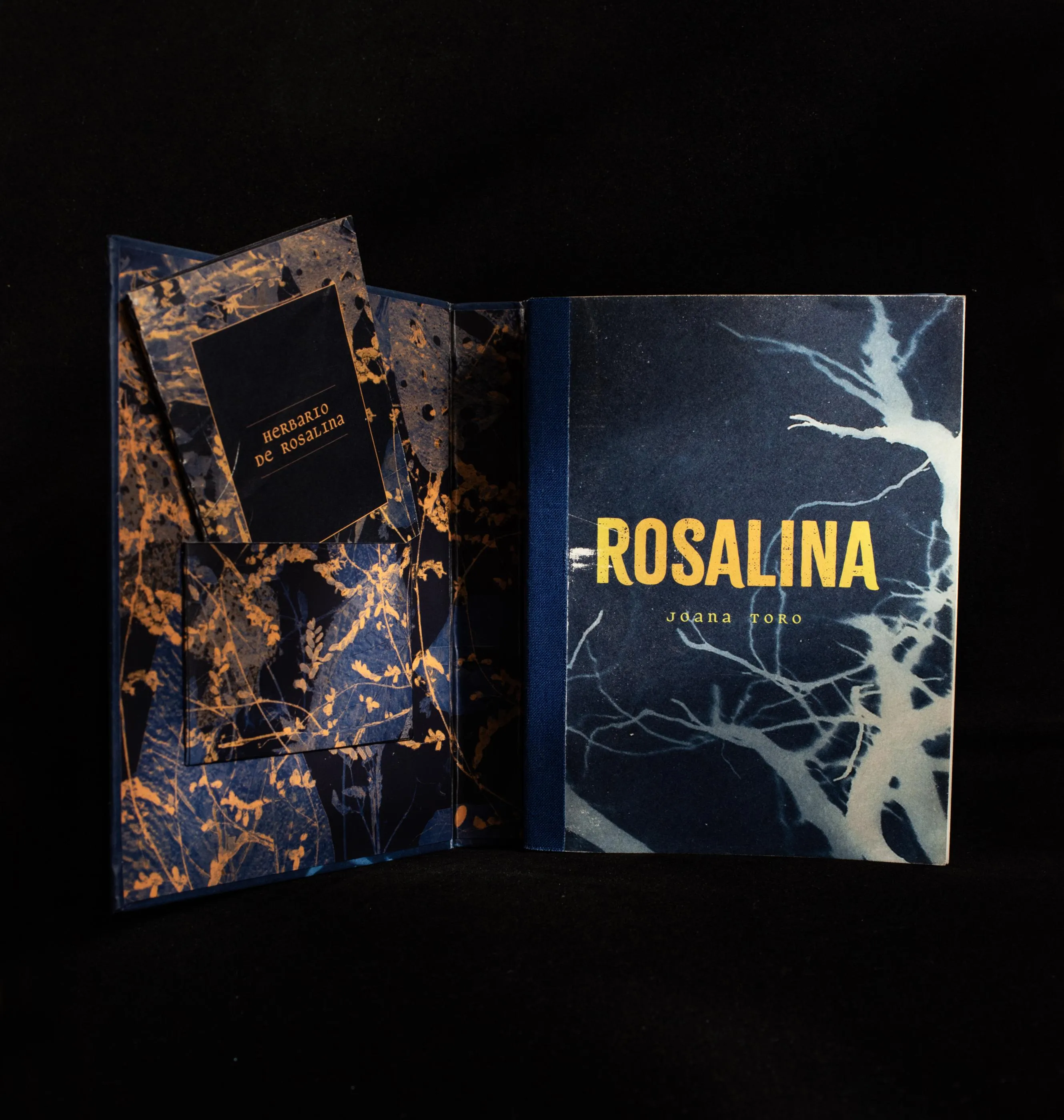
Joana Toro (Creative Practices ‘26) has had her new book Rosalina (2017-2025) added to the permanent collection of the Library of Congress. The portfolio was delivered to the Library of Congress on July 31, 2026, following the acquisition. It includes twelve inkjet photographs and three original cyaotypes. Developed in San Basilio de Palenque, Colombia, Rosalina explores ancestral healing practices, medicinal plants, and the preservation of knowledge within the African diaspora.
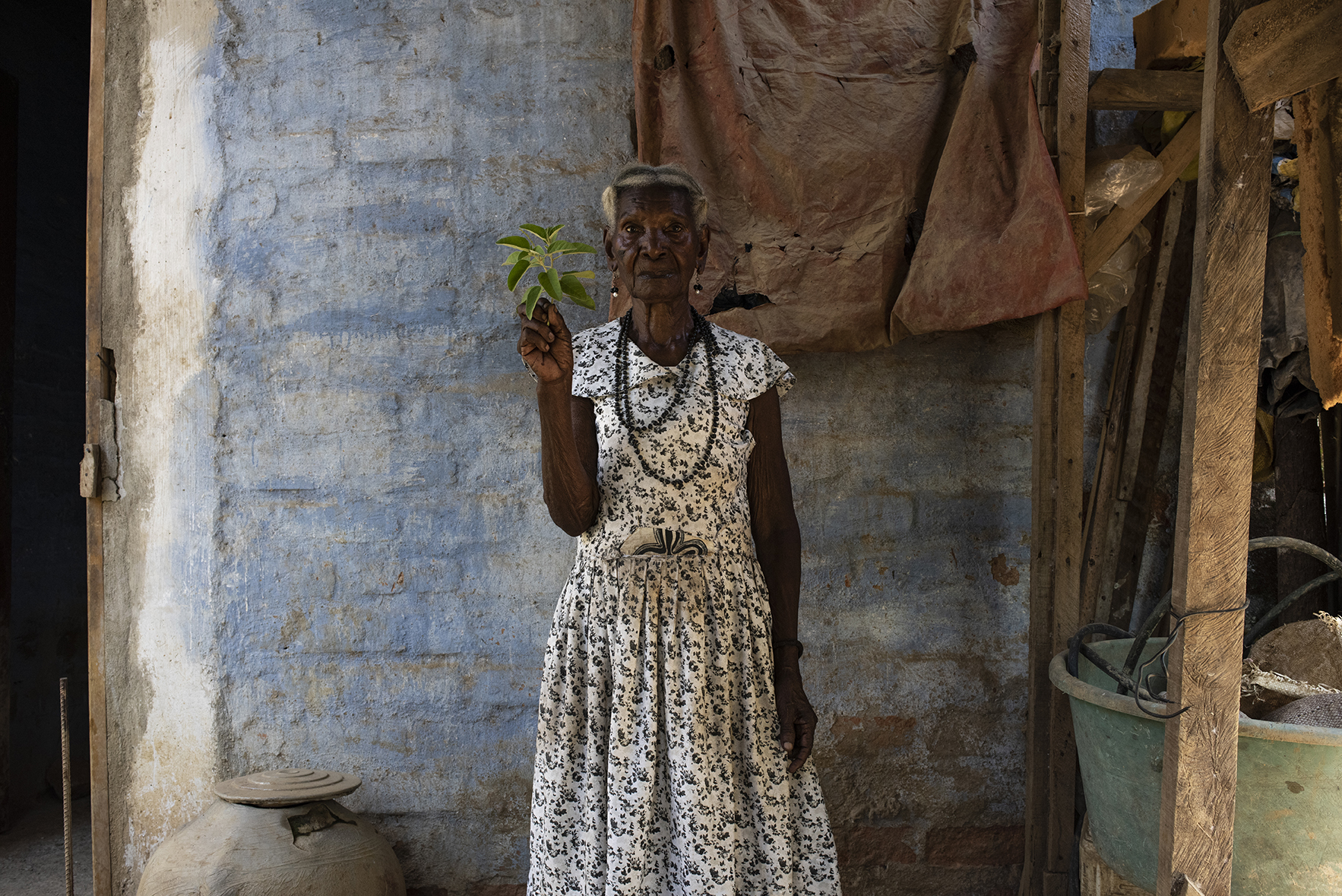
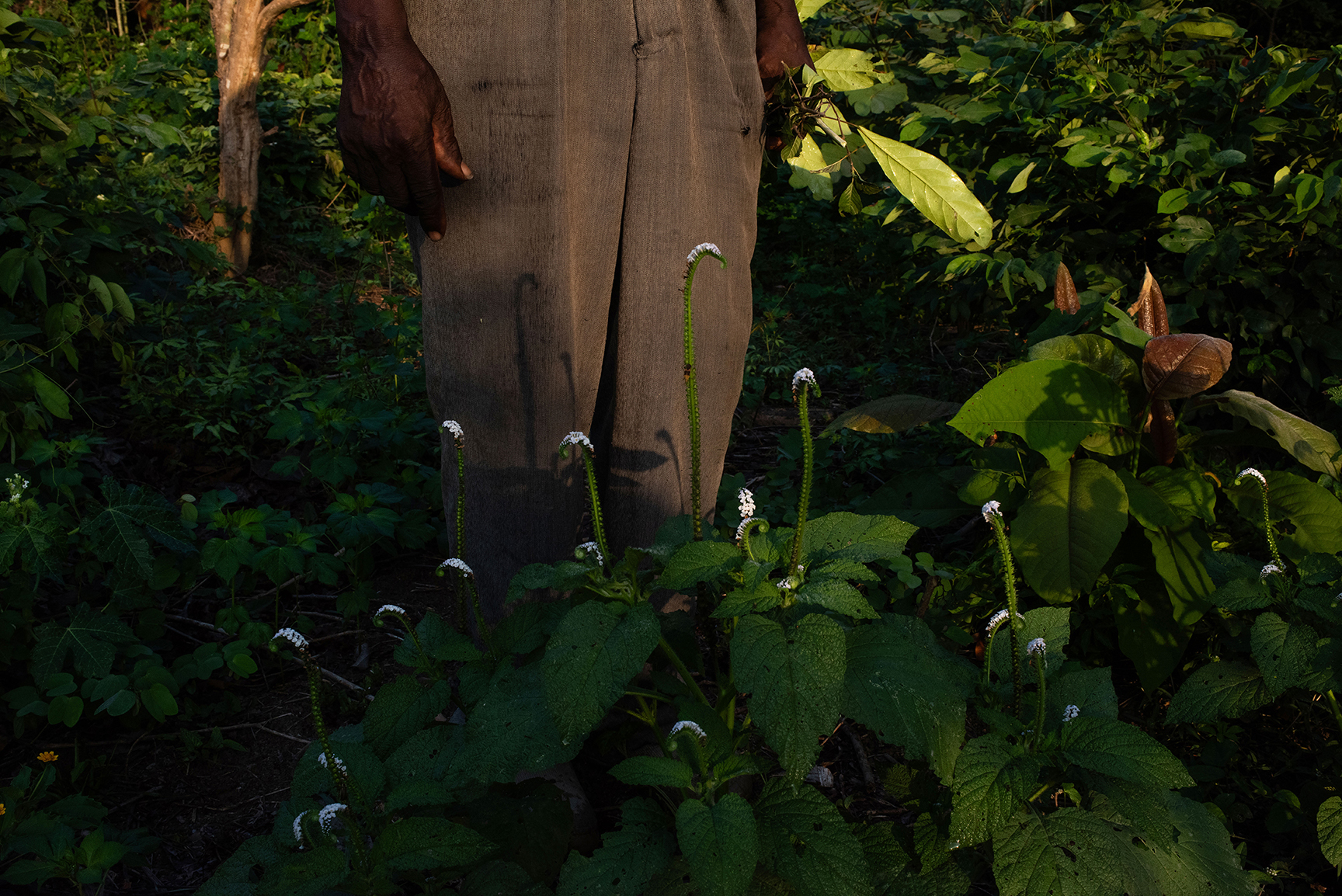
Rosalina is a long-term documentary project by Colombian photographer Joana Toro, developed since 2017 in collaboration with the community of San Basilio de Palenque, Colombia. The project centers on Rosalina Cañates Pardo, known as Paloma, an elder and traditional healer whose knowledge of medicinal plants, prayers, and spiritual practices has been transmitted across generations. Through documentary photographs, portraits, archival research, and cyanotypes made with medicinal plants, Rosalina explores the relationship between healing, memory, territory, and the preservation of ancestral knowledge within the African diaspora. The project also reflects on the history of displacement experienced by families from La Bonga, in the Montes de María region, and on the ways women have protected cultural and botanical knowledge through oral traditions.
The project has also been published as a multilingual photobook in Spanish, English, and Palenquero. Designed as both a photographic work and a cultural archive, the book includes documentary images, oral histories, and an original cyanotype.
The Rosalina photobook is currently available at the ICP Store, and a copy has also been donated to the ICP Library.
Toro said:
"As a Colombian, I have always felt that the African roots of our culture are manifestly present yet rarely discussed. There is an unconscious connection to Africa in my identity as a mestiza woman from a rural background. I know that we eat, dance and speak Africa. I know that we are neighboring continents. I know that Africa is present and hidden at the same time. To help uncover and evoke the role of African tradition in my culture, since 2009 I have gone numerous times to San Basilio de Palenque, an isolated village along the Caribbean coast of Colombia with great importance for the history of the African diaspora in Colombia and the Americas in general. My documentation centers around the figure of spiritual healers, like doña Rosalina Cañates Pardo, a woman in her 90's whose vast knowledge of plants exemplifies the African legacy in Palenquero medicinal practice. When I first met doña Rosalinda I discovered the key to my connection to Palenque, and the motif of this work. She deeply reminds me of my own grandmother, who transmitted to me an immense respect for plants and their healing and sacred potential. Indeed, doña Rosalinda plants and harvests different species according to the phases of the moon, just like my grandmother did."
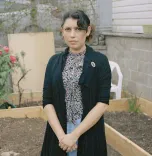
Joana Toro is a Colombian photographer and visual artist based between New York City and Bogotá. Her work explores migration, identity, human rights, memory, and the preservation of ancestral knowledge through documentary photography, archives, bookmaking, and installation. Her projects have been published and exhibited internationally, including at the Museum of the City of New York, the Queens Museum, Photoville, Les Femmes s’exposent in France, and OjoRojo Fábrica Visual in Bogotá. Her photographs have appeared in The New York Times, The Wall Street Journal, World Press Photo Witness, and Photoworld China Magazine. She has received support from the Pulitzer Center, Diversify Photo, and the National Geographic Society. Toro is the author of the photobooks Hello, I Am Kitty (Tragaluz, 2019) and Rosalina (Cuartoestudio, 2026). Both projects are represented in the collection of the Library of Congress.
Images: Joana Toro