International Center of Photography: What’s a foundational text that shaped how you think about photography?
Daria Tuminas: It is difficult to single out one example, as reading and being influenced by ideas is a cumulative process: one text leads to another, and thoughts evolve over time. During my MA program in Film and Photographic Studies (2010–2011), I was introduced to many texts that collectively laid a foundation for understanding the medium in all its complexity.
Perhaps the book that has had the most lasting impact, and one I continually return to, as its relevance and urgency only grow with time, is The Civil Contract of Photography (Zone Books, 2008) by theorist and curator Ariella Azoulay. In this groundbreaking publication, Azoulay examines photography as a tool for shaping citizenship, political agency, and resistance, particularly in relation to questions of visibility and invisibility surrounding marginalized groups such as Palestinians and women.
“..reading and being influenced by ideas is a cumulative process: one text leads to another, and thoughts evolve over time.”
ICP: Tell us about a photo show you’ve seen recently that surprised you in some way?
DT: The most recent exhibition I visited was Prix de Rome Visual Arts 2025 at the Stedelijk Museum Amsterdam. While not specifically focused on photography, I went to see the newly commissioned works by the four artists nominated for this year’s contemporary art prize. I was especially excited to see the installation by Kevin Osepa—an artist working across photography, video, performance, and installation, whose practice engages with Afro-Caribbean spirituality, identity, colonial memory, and queer perspectives.
Lusgarda is a magical work in every sense of the word. It reflects on Ocho Dia, the eight-day mourning period following a funeral in Curaçao. Osepa guides visitors through a corridor filled with objects that are at once everyday items and carriers of spiritual meaning and function on the island, leading into a second space featuring a video work on collective mourning. Figures of mourners also inhabit this space, transforming the museum’s galleries into a locus of a near-spiritual experience.
I had the honor of interviewing the artist for the Prix de Rome catalogue and was familiar with the process behind the making of the work. Despite this prior knowledge, the installation was still a profound surprise in terms of its impact once realized, and in the powerful way Osepa layers meanings through the combination of different media. I returned to see the installation twice and will go again.
ICP: Where do you find creative inspiration outside of the photo world?
DT: I find inspiration primarily through reading, cinema, music, and attending events across the cultural field. I also value long walks and the act of slowing down, taking time to do nothing whenever possible.
To name just a few sources of inspiration: the most recent book I finished was The Will to Change: Men, Masculinity, and Love by bell hooks. Next on my reading list is Hito Steyerl’s Medium Hot: Images in the Age of Heat. A book I return to often is Jericho Brown’s poetry collection: The Tradition.
Cinema is another major source of inspiration. Some of my favorite films include Atlantics by Mati Diop, Happy as Lazzaro by Alice Rohrwacher, Long Day’s Journey Into Night by Bi Gan, and Taming the Garden by Salomé Jashi.
“..from ongoing genocides, ecocides, and wars to living amid the sixth mass extinction. It is then relevant to ask ourselves: what does it imply to work with photographic practices in the conditions of polycrisis?”
ICP: What areas or topics in photography and curatorial theory or practice do you think are underexplored today, and what would you like to see more of in upcoming cohorts?
DT: I hope the program will encourage the cohort to explore potential fields of experimentation within the curatorial domain, both theoretically and practically. I will highlight just two examples from upcoming courses in the program here, though I believe each course introduces perspectives and methodologies that merit further attention and research.
Collaborative Approaches in Photography, led by Nkule Mabaso, director of Fotogalleriet in Oslo, curator, and artist, explores photography as a co-creative process. Students will “examine the evolution of photographic practice and exhibitions through the lens of shared authorship, networked production, and community-driven presentation.” Ideally, the course will also stimulate the collaborative spirit between students that will emerge organically through its duration.
Another example is Curating Otherwise: Feminist Frameworks for Thinking and Making by Taous R. Dahmani, curator at The Photographers’ Gallery in London. As Dahmani explains, the course “invites students to explore how feminist theory can reshape curatorial practice—how we think, how we collaborate, and how we care. Moving between key feminist texts from the 20th and 21st centuries and examples of curatorial projects, we will examine how questions of power, voice, labor, embodiment, and care intersect with exhibition-making.” As the result of the course, I hope students will embrace feminist strategies and use them to reimagine the role of the curator through a feminist lens.
ICP: How do you foresee the role of photography evolving in response to global challenges (climate, identity, politics), and how should emerging photographers or curators prepare?
DT: Today we indeed experience the world in the so-called permacrisis or polycrisis. Meaning that crises are cascading, collaging, piling up, and being interconnected: from ongoing genocides, ecocides, and wars to living amid the sixth mass extinction. It is then relevant to ask ourselves: what does it imply to work with photographic practices in the conditions of polycrisis?
I believe it implies what Donna J. Haraway calls “staying with the trouble” in her book Staying with the Trouble: Making Kin in the Chthulucene (Duke University Press, 2016). Meaning learning to be present, living in “response-ability on a damaged earth.” This response-ability is crucial. It is an ability to respond. Ability to be responsible. And in conditions of the polycrisis, it can be sustained only through plural, “multiple—piled”, collaged, and interconnected acts of togetherness.
“This response-ability is crucial. It is an ability to respond. Ability to be responsible. And in conditions of the polycrisis, it can be sustained only through something as plural and multiple—piled, collaged, interconnected acts of togetherness.”
There can be of course no ultimate definition of what acts of togetherness and forms of collaborations could be in the photographic field. These acts manifest themselves on many levels. For example, the engagement in creation of an image: making together, co-authoring between artists and photographed persons, artists and artists, communities, collectives, families, and more-than-human beings. Further, meaning production with researchers, designers, writers, editors, curators, publishers, and institutions. Facilitating spaces of collective knowledge production with the audiences. And importantly: doing the collective work of reimagining all of these relations.
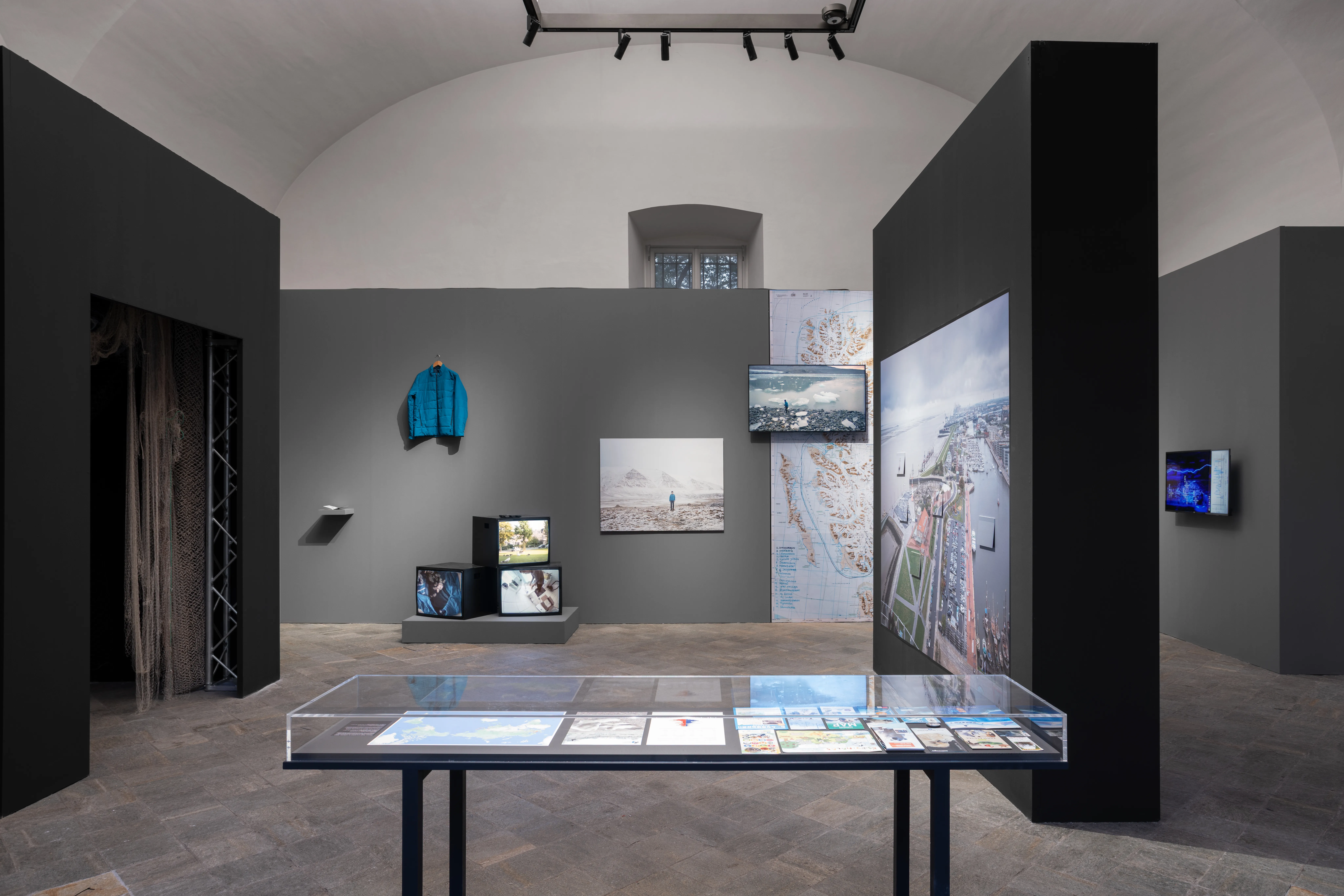
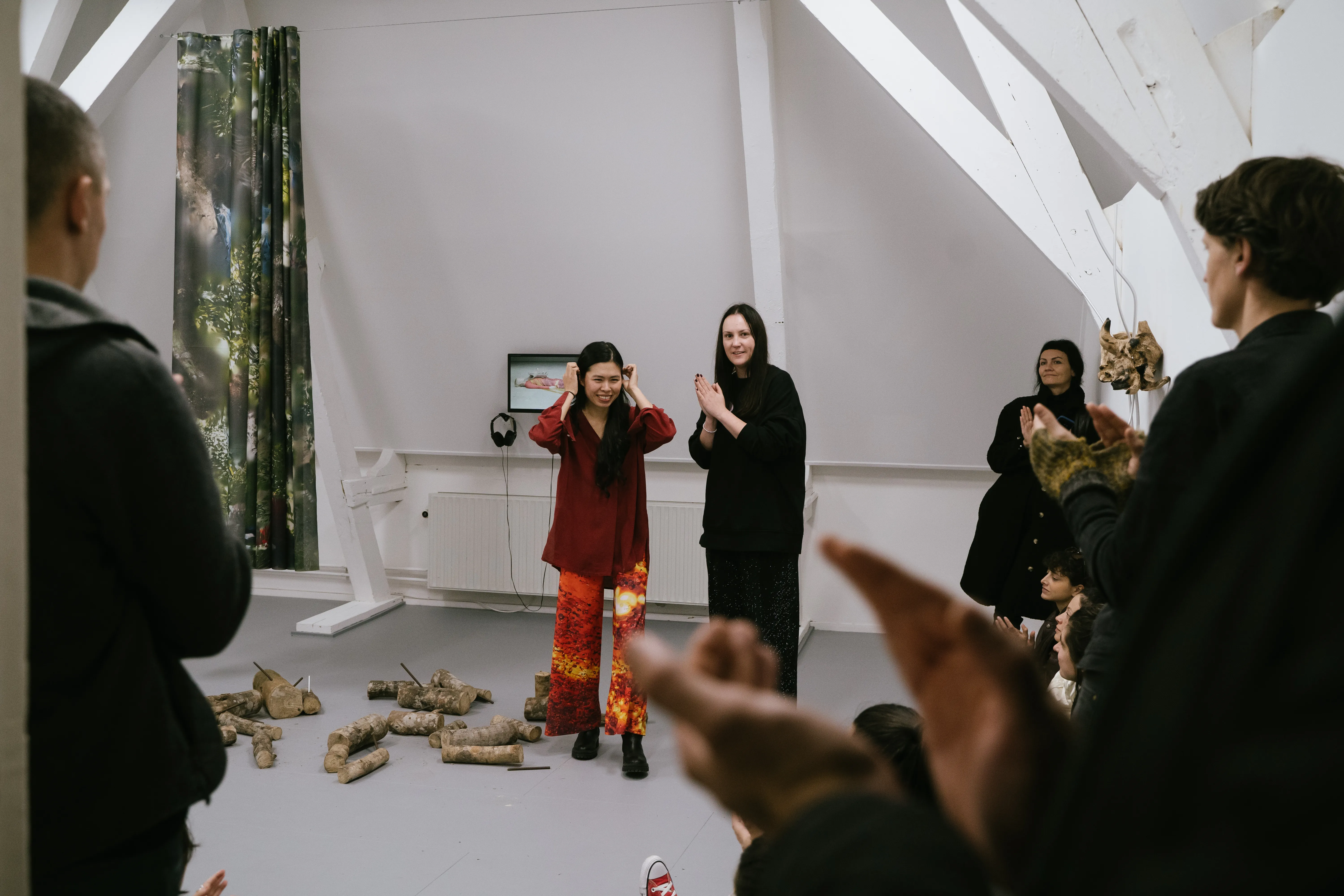
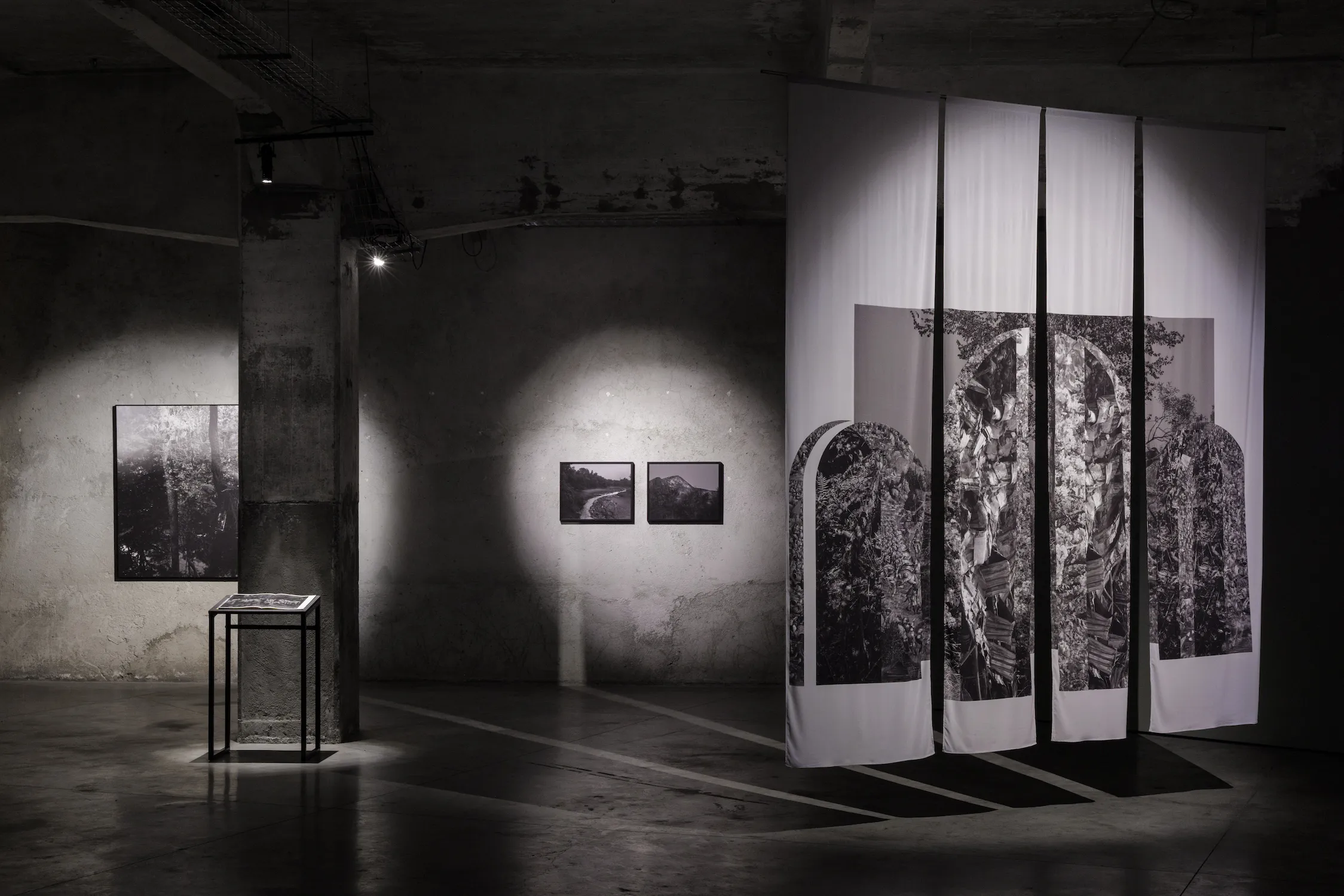
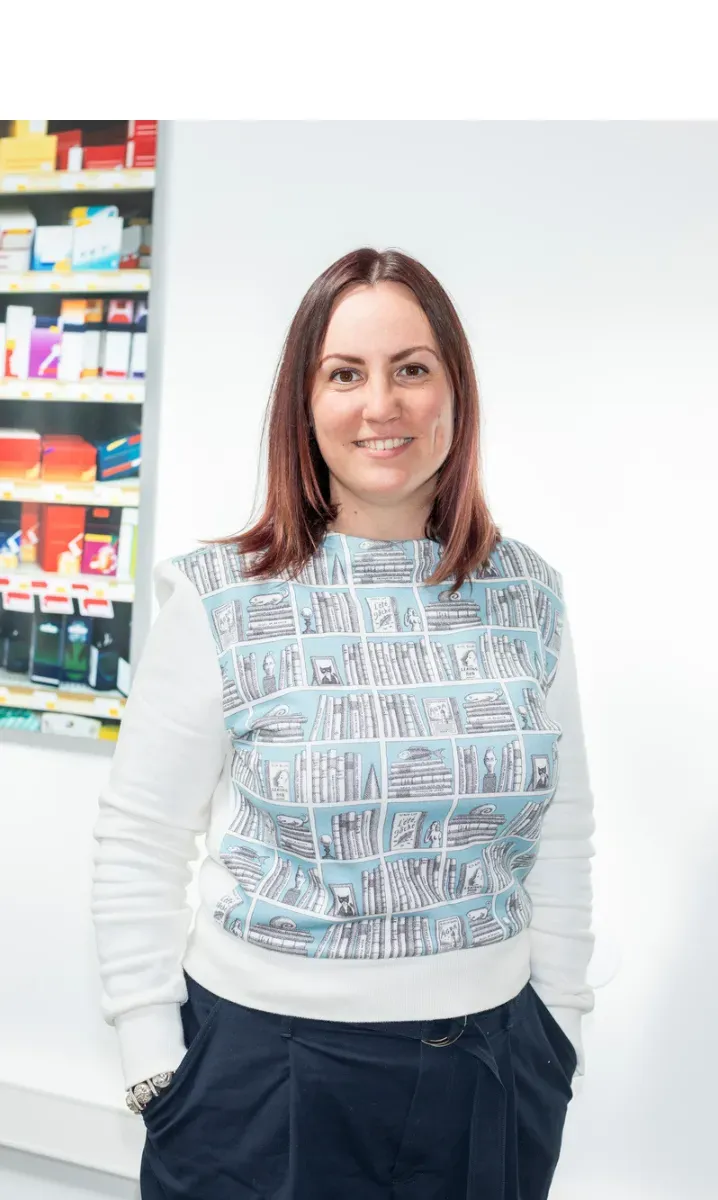
Daria Tuminas is an independent curator and co-founder of the Growing Pains—an Amsterdam-based foundation working at the crossroads of visual arts, publishing, conversation, education and human connection. Since 2019, she has been curating for FOTODOK, Utrecht. And is currently temporary working on a project at Stroom Den Haag, the Hague. Since September 2025, she has led the online One-Year Certificate Program in Curatorial Practices in Photography at the International Center of Photography.