
Alan Huck is a photographer, writer, and educator based in Chicago. He has taught workshops through and held faculty positions across universities in the Chicago area, bringing deep experience in interdisciplinary teaching and photographic writing. ICP sat down with Huck to talk about his inspirations, influences, and inclinations around writing and the photographic image:
International Center of Photography: What’s a foundational text that shaped your view on photography?
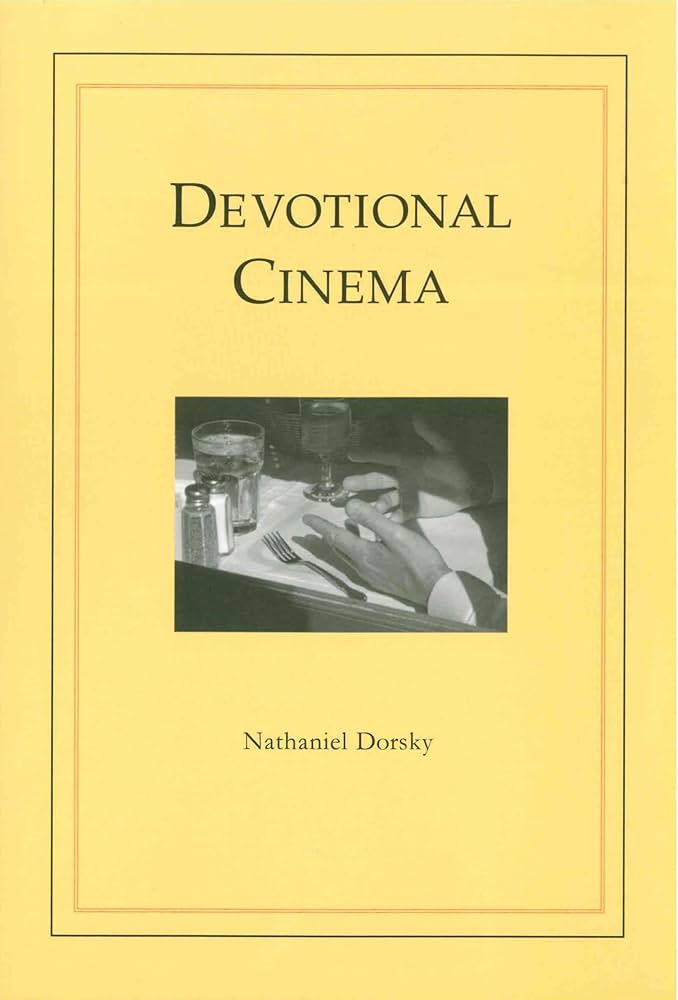
Alan Huck: Most of the texts that have significantly altered my relationship to the medium have come from outside of it (I like Kaja Silverman’s suggestion that photography teaches us to “think analogically”). The filmmaker Nathaniel Dorsky’s short book Devotional Cinema is one I return to over and over again. Poets' essays also play a major role in how I consider the practice of photography—books like Louise Glück’s Proofs and Theories, Cole Swensen’s Noise That Stays Noise, Jane Hirshfield’s Nine Gates, and Charles Simic's various collections. Carol Mavor’s Black and Blue, though not exclusively about photography, has long served as a model for me when it comes to art writing, mostly for how it melds scholarly research with passionate lyricism in a way that feels totally effortless.
ICP: What’s a photo show you’ve seen recently that surprised you in some way?
AH: Earlier this year, I saw a small show in Chicago by my friend Luca Klauba that I found bewildering in all the right ways. That seems to be what I want out of art (and photography in particular) these days—to leave feeling somewhat unsettled and perhaps even a bit confused.
"That seems to be what I want out of art (and photography in particular) these days—to leave feeling somewhat unsettled and perhaps even a bit confused."
ICP: Where do you find creative inspiration outside of the photo world?
AH: Besides just reading widely (lately it's been the Kyoto School philosophers and various strands of human geography), I tend to look to cinema and experimental film (Robert Beavers, Hannes Schüpbach, Laida Lertxundi, Beatrice Gibson, and others), which offer very different possibilities for how to organize and structure images.
ICP: What are areas or topics in photography and curatorial theory or practice you think are underexplored today and would like to see more of in upcoming cohorts?
AH: I’m always interested in seeing more dynamic exchanges between print and web-based media. With all of the time we spend online, it feels as though there should be more compelling ways of engaging with photography in that realm (outside of the dominant platforms), and I'm especially curious to see how publishing and exhibiting might further reflect the hybrid character of our daily lives and interactions.
"With all of the time we spend online, it feels as though there should be more compelling ways of engaging with photography in that realm (outside of the dominant platforms)."
ICP: How do you foresee the role of photography evolving in response to global challenges (climate, identity, politics), and how should emerging photographers or curators prepare?
AH: I suspect this comes down to something akin to Jean-Luc Godard’s distinction between making political films and making films politically—pivoting away from dealing with certain social and political issues only as photographic subjects and instead finding new, unconventional strategies (of authorship, production, dissemination) for work to address or counteract those things.
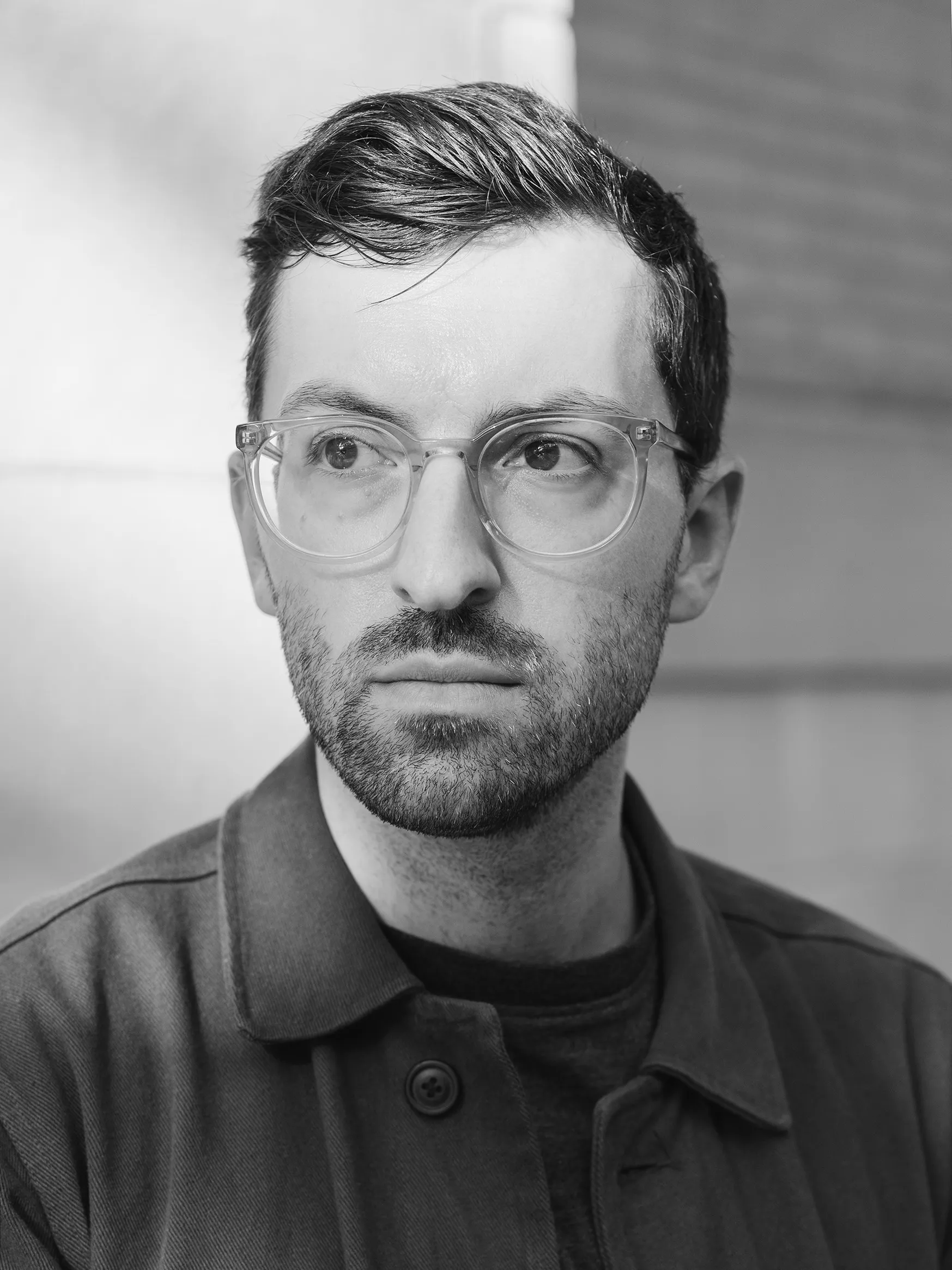
A photographer, writer, and educator based in Chicago, Huck received his MFA from the University of Hartford’s international low residency program. His debut book, I walk toward the sun which is always going down (MACK, 2019), was shortlisted for the Rencontres d’Arles Photo-Text Book Award and exhibited internationally. His most recent artist book, A Narrow Foothold (Another Earth, 2024), was produced in collaboration with German photographer Jonas Feige. In 2025, Huck founded Visible Storage, a publishing imprint dedicated to artist’s books and editions. He has taught workshops through the Penumbra Foundation and held faculty positions across universities in the Chicago area, bringing deep experience in interdisciplinary teaching and photographic writing.