At the 2026 ICP Recent Graduates Exhibition (May 15—May 25), ICP caught up with six recent graduates of our One-Year Certificate Programs: Guram Muradov, Yelyzaveta Doroshenko, Liam Tobin, Claudio Pettina, Daniel Jimenez, and Sara Meneses Cuapio. They answered questions about their final projects, explaining what led them to create their work, processes and experimentation used, and how they envision their work continuing after ICP.
Evidence of Existence brought together work by artists from three of ICP’s education programs: the full-time, onsite One-Year Certificate Programs in Creative Practices and Documentary Practice and Visual Journalism, and the Teen Academy Imagemakers program.
Curated by Sara Ickow, ICP’s Associate Director of Exhibitions, the exhibition features projects that turn attention toward what is often overlooked or out of reach, while exploring how photography can give form to the unseen.
ICP: What led you to create this work?
Guram Muradov: I’m also very interested in the individuals behind drag. The contrast between life on and off stage, their day jobs, chosen families, homes, relationships, and the whole phenomenon of transformation and impersonation became a major part of my curiosity and eventually the core of the project.
Over time, I realized I was becoming less interested in the performance alone and more interested in everything surrounding it: preparation, exhaustion, waiting, rebuilding the look between shows, small backstage moments, and the emotional and physical labor that audiences usually never see.
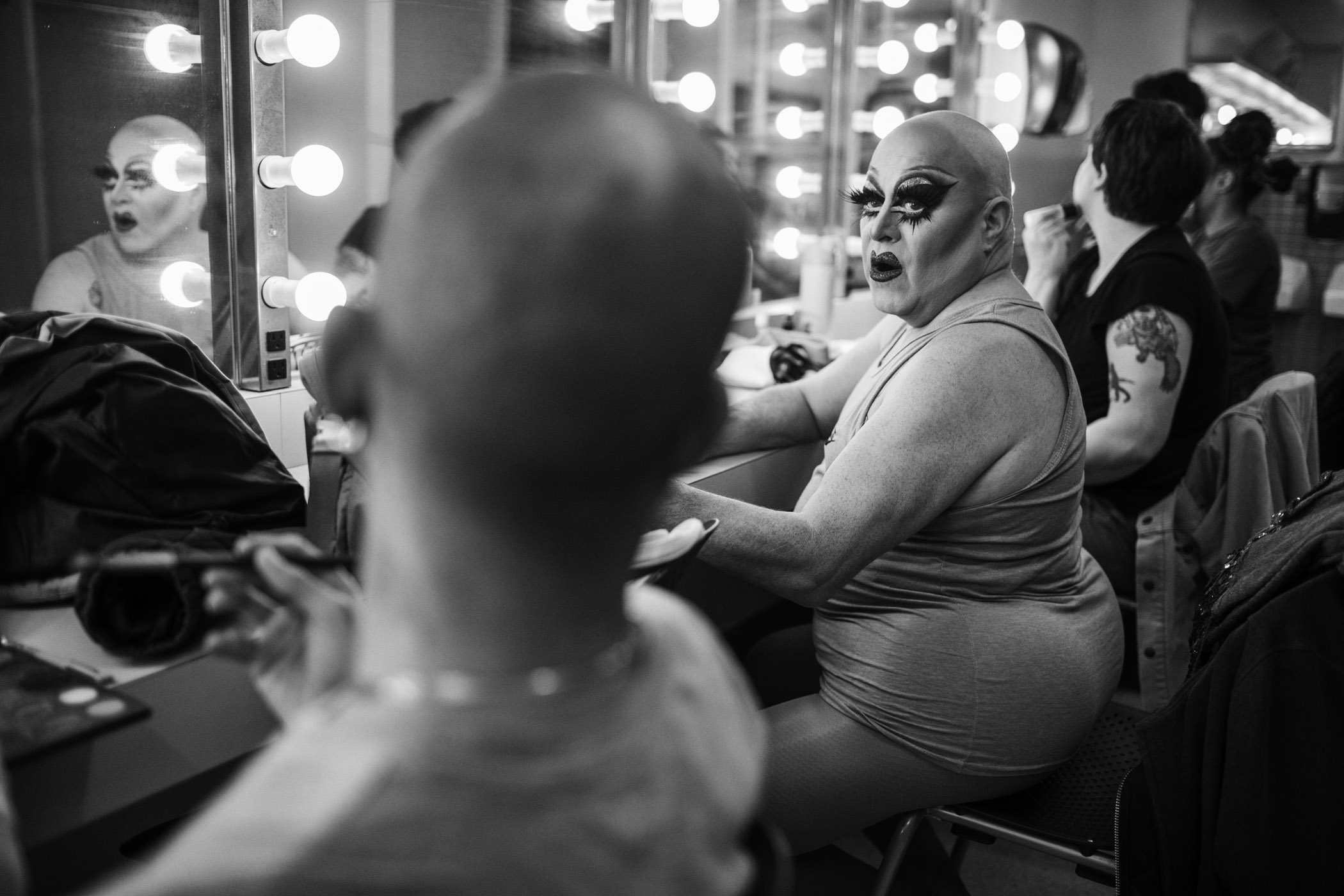
Guram Muradov, Documentary Practice and Visual Journalism '26
Yelyzaveta Doroshenko: This project is about immigrant mothers and their ways of integrating into New York society. Being an immigrant mother myself, I found experience moving to NYC the most difficult in my life in the USA. Feelings of estrangement and separation not only from strangers but also from friends and family was common among the women surrounding me. I wanted to make this feeling visible.
Liam Tobin: I have always been especially interested in how forms within the human body often mirror structures found in the natural world. Fractal Healing examines how individuals adapt to acoustic trauma, whether acquired or lifelong, and considers creativity as a means of recovery. Drawing on patterns found in organic systems, microscopy, and topography, the work traces relationships between internal and external landscapes.
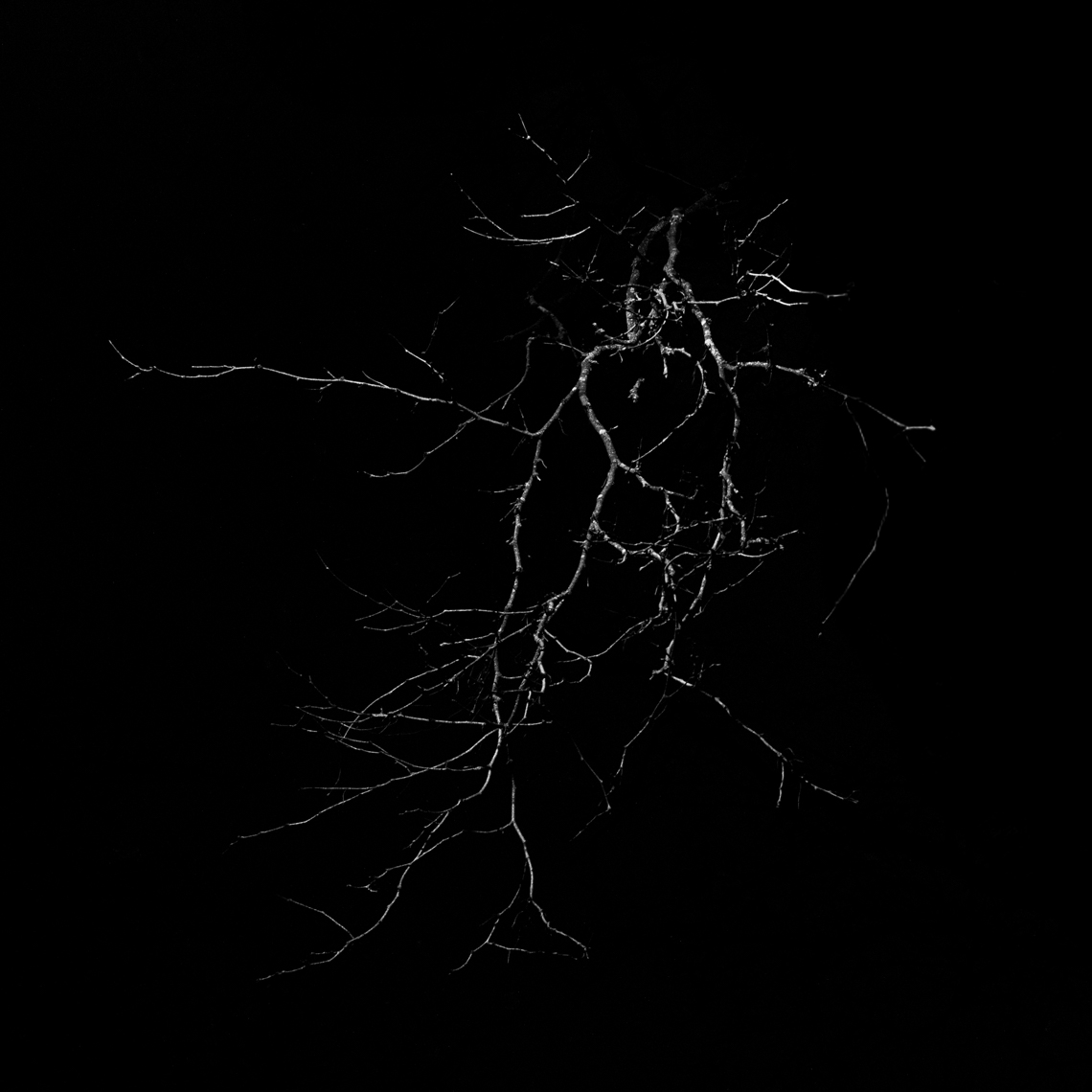
Liam Tobin, Creative Practices '26, Fractal Healing
Claudio Pettina: The core motivation [behind this project] was the current socio-political situation between the U.S. and Venezuela, as well as the constant sense of threat I carried with me every day on the streets because of my roots.
Daniel Jimenez: My core theme is my own experience as an immigrant in the US. I've been here for the past two years and along that time I've had the opportunity to meet other people with similar paths to mine. Through the connection to these people, I've realized that a big part of the experience is a cluster of emotions that redefine how we view the places we inhabit as foreigners. The work is a visual exploration of these emotions.
Sara Meneses Cuapio: My grandfather worked as a gardener in the United States for two decades before returning to Mexico. I met him when I was ten, and he died when I was fourteen. Twenty-two years later, I, his granddaughter, arrived in the United States under radically different conditions. Through a chain of intergenerational efforts, I now hold what he never could: a visa.
I believe that by speaking about my family history, I can address broader social issues through intimate and personal experiences. Given the current political climate in the United States, I felt compelled to reflect on migration.
I stepped into gardens in New York as a way of imagining who this man was. I examined the manicured garden as an expression of control, from the placement of a plant to the regulation of a migrant body.
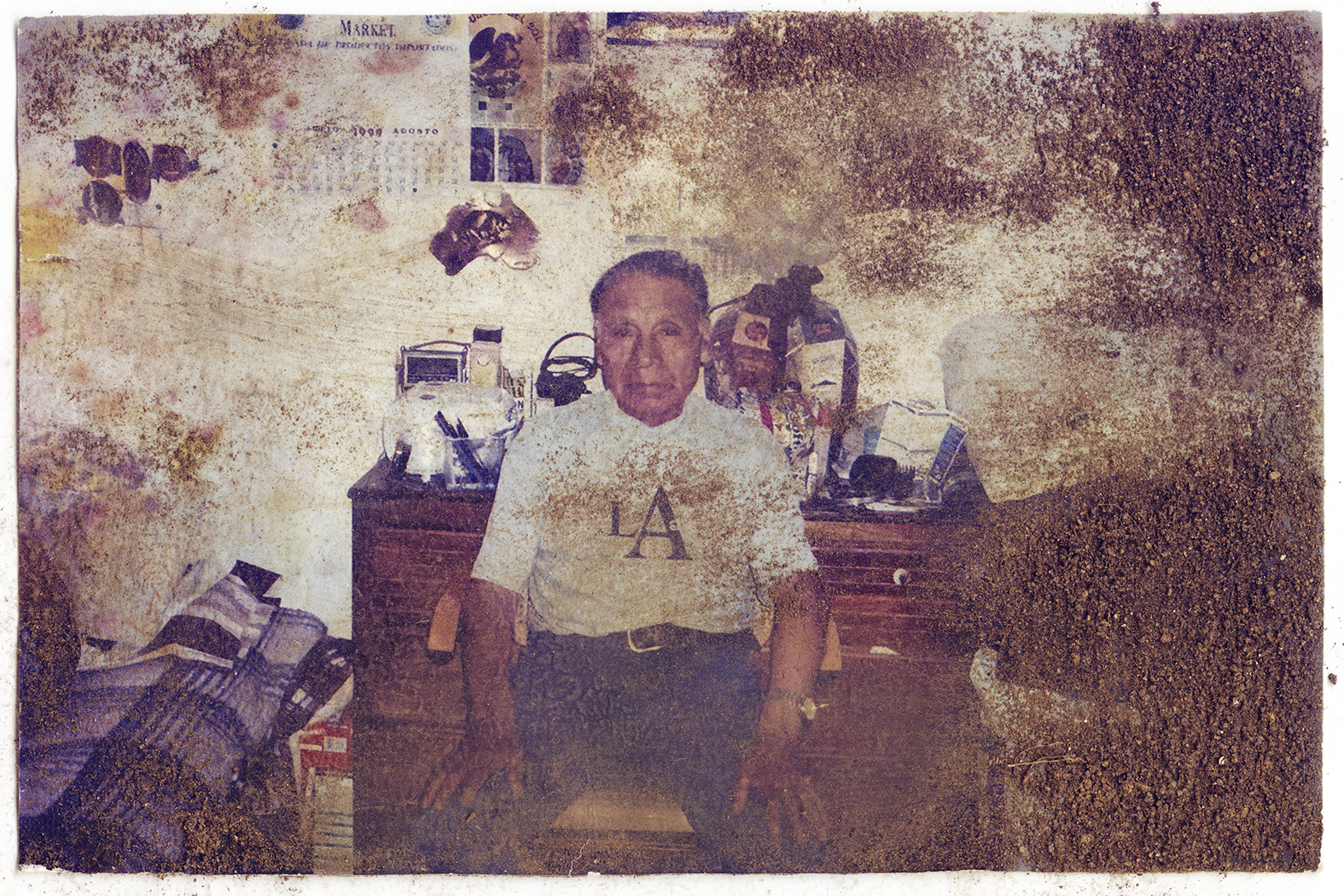
Sara Meneses Cuapio, Documentary Practice and Visual Journalism '26, Our Vain Garden
ICP: Tell me about the process of making the work.
Guram Muradov: Most of the work was made over many months in clubs, dressing rooms, apartments, and backstage spaces across Manhattan and Brooklyn. I kept returning to the same places and photographing the same people again and again, often very late into the night.
The process was very personal and instinctive. I wanted the photographs to feel close and immersive, almost like being inside the room rather than observing from a distance. I was inspired by documentary photography, nightlife photography, and portraiture, but I also wanted the work to feel emotional and intimate rather than purely observational.
Trust became one of the most important parts of the process. Spending time with people outside of performances changed the work completely and allowed me to photograph quieter and more vulnerable moments.
Yelyzaveta Doroshenko: I documented two families: Natalia and her daughter Polina from Homecrest Avenue, who moved to NYC 8 years ago; and Swati and her son Irenaeus, who have lived in Inwood Manhattan for the past 2 years. All pictures were made on a medium format film camera. 5k from the Frontline, which Anastasia Taylor-Lind made in Ukraine, was one of the biggest inspirations for my project. I am originally from Ukraine so thoughts about mothers and their condition back home are always in my head.
Yelyzaveta Doroshenko, Documentary Practice and Visual Journalism '26
Liam Tobin: The series is primarily informed by neurological and anatomical research centered on the inner ear, particularly the cochlea, a spiral organ essential to hearing that is difficult to image and often described as a medical “black box.” I reimagine this hidden system through layered visual processes that draw from darkroom abstraction and scientific imagery. My approach is also shaped by artists such as Ruth Asawa, John Cage, and Georgia O’Keeffe, whose practices emphasize attention, deep listening, and sustained engagement with hidden structures and recurring rhythms.
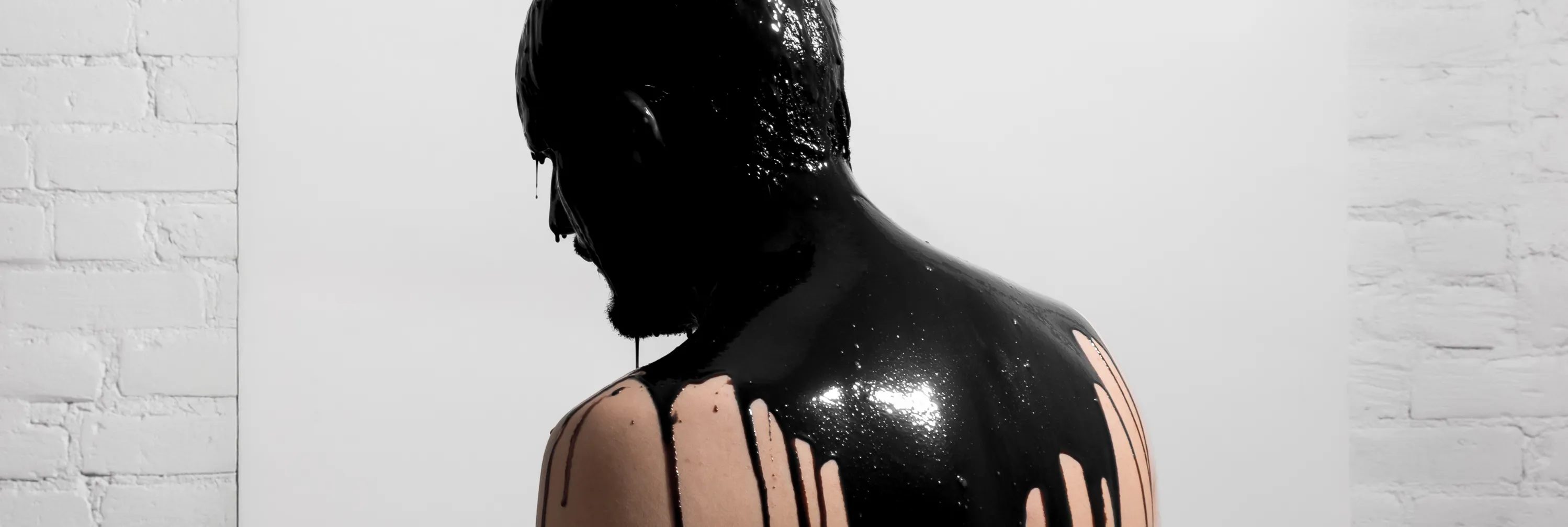
Claudio Pettina: For this project, I was deeply inspired by my personal experience in Venezuela and how we are perceived outside of our country. I wanted to express this visually, for example, through the use of the oil that you can see in the photographs. A significant part of the conceptualization happened during a workshop with Debi Cornwall (Necessary Fictions), where we explored the idea of embedding a fictional history within a real-life narrative.
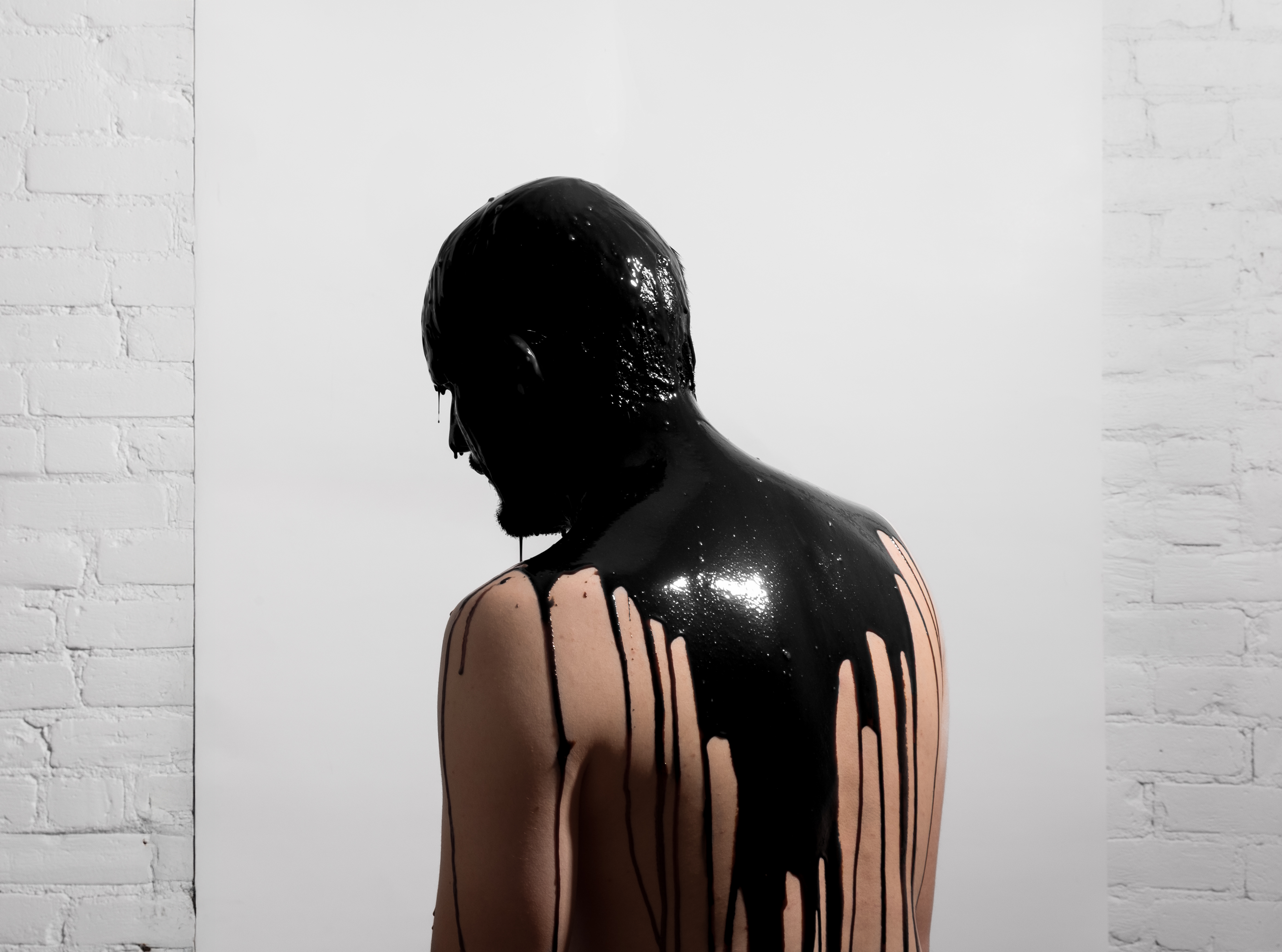
Claudio Pettina, Creative Practices '26, Unclassified, 2026
Daniel Jimenez: The work is a mix of analog and digital. The project is street photography in Queens, New York. For the walks I chose a point in Queens to visit. Then, I started walking and tried to stay present, trying not to think about the outcome of the images. I photographed what I liked and then in the editing I created a selection of images that spoke to my theme.
Sara Meneses Cuapio: To create the images, I breathed into the camera lens, thinking of the body as a filter between reality and the image. I also placed found objects in front of the lens to distort the scene. Both strategies were intended to evoke a dreamlike encounter with my grandfather.
I am interested in the space between memory and experience. In that sense, this series also became a reflection on photography itself: the promise of proximity that the medium offers, its ability to bring us closer to people, places, and histories, while simultaneously revealing the impossibility of ever fully reaching them.
Some of the new production also enters into dialogue with archival photographs, creating a conversation between past and present, and between lived memory and its reconstruction.
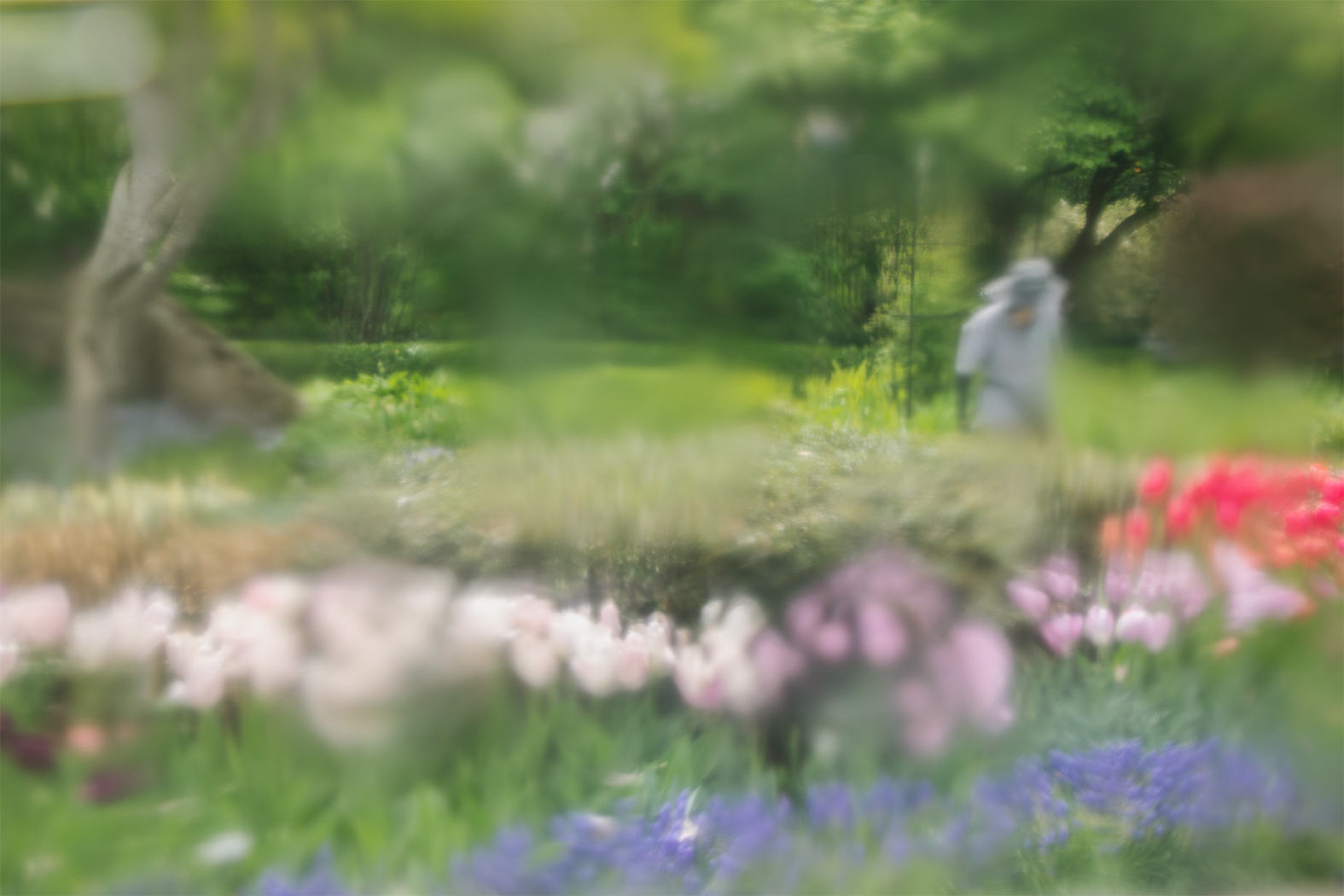
Sara Meneses Cuapio, Documentary Practice and Visual Journalism '26, Our Vain Garden
ICP: Any directions you might take after ICP?
Guram Muradov: I want to continue developing this project long-term and eventually turn it into a book. Recently, I made a small dummy version of the book to see how the project could exist in physical form, and it made me even more excited to continue the work.
I want to take my time with it, go deeper into the drag community, and reveal more about the culture and the people behind it — both on and off stage. I’m interested in showing not only performances, but also everyday life, day jobs, friendships, transformation, and everything surrounding the performance itself.
After ICP, I want to continue combining my decades of experience in photojournalism with long-term documentary work and studio portraiture. I’m interested in exploring how these merged approaches can create images that feel both factual and carefully constructed at the same time—using visual language to tell stories that can be understood universally.
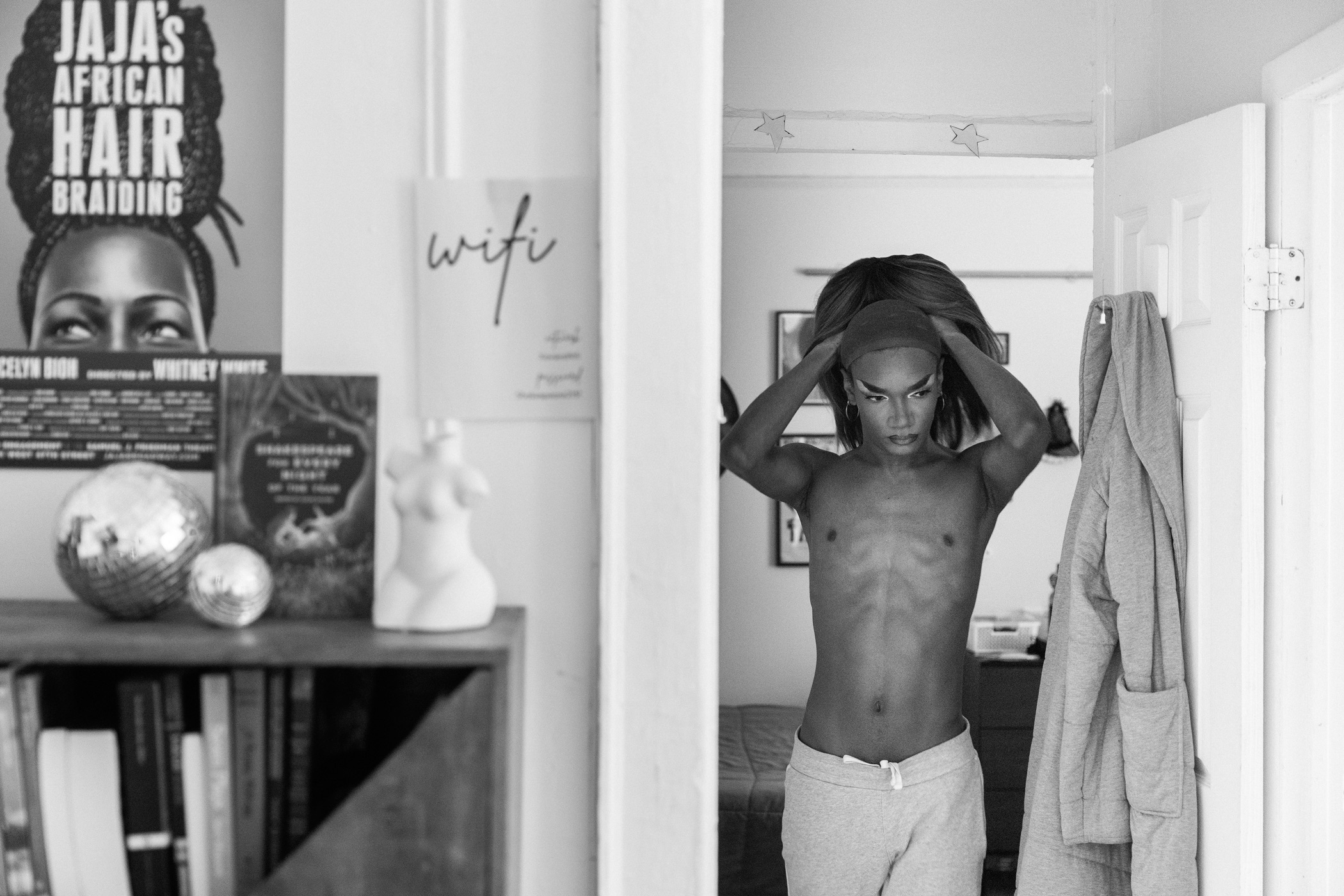
Guram Muradov, Documentary Practice and Visual Journalism '26
Yelyzaveta Doroshenko: I plan to continue documenting the two families' lives and start making pictures of my family. I want to add my story to this project.
Liam Tobin: After ICP, I will continue exploring the intersection of medical research, scientific data, and mapmaking. I plan to expand the project through deeper engagement with anatomical imaging and musical composition, using art to better understand our relationship to environmental soundscapes.
Claudio Pettina: I have a strong interest in pursuing photo editor positions. I am currently trying to find my way into that field and exploring how my background in digital marketing can complement my experience as a photographer. In relation to this project, I plan to step back for a few months to observe how the situation in my home country evolves and how my own beliefs might shift.
Daniel Jimenez: Regarding the project, I want to further develop it. The portfolio review, which is the last part of the program, was really helpful in getting new horizons for this work. Now I want to further immerse myself and keep creating meaningful work.
Sara Meneses Cuapio: I am very excited to return home and put into practice the tools, methodologies, and perspectives I have gained at ICP. I look forward to sharing them in Tlaxcala, my hometown, and applying them to the histories, memories, and landscapes of the place where I grew up.
I am also excited about the future of this project and the new questions it has already begun to open. Moving forward, I hope to continue expanding this body of work while also developing the long-term projects I had already been working on in Mexico.