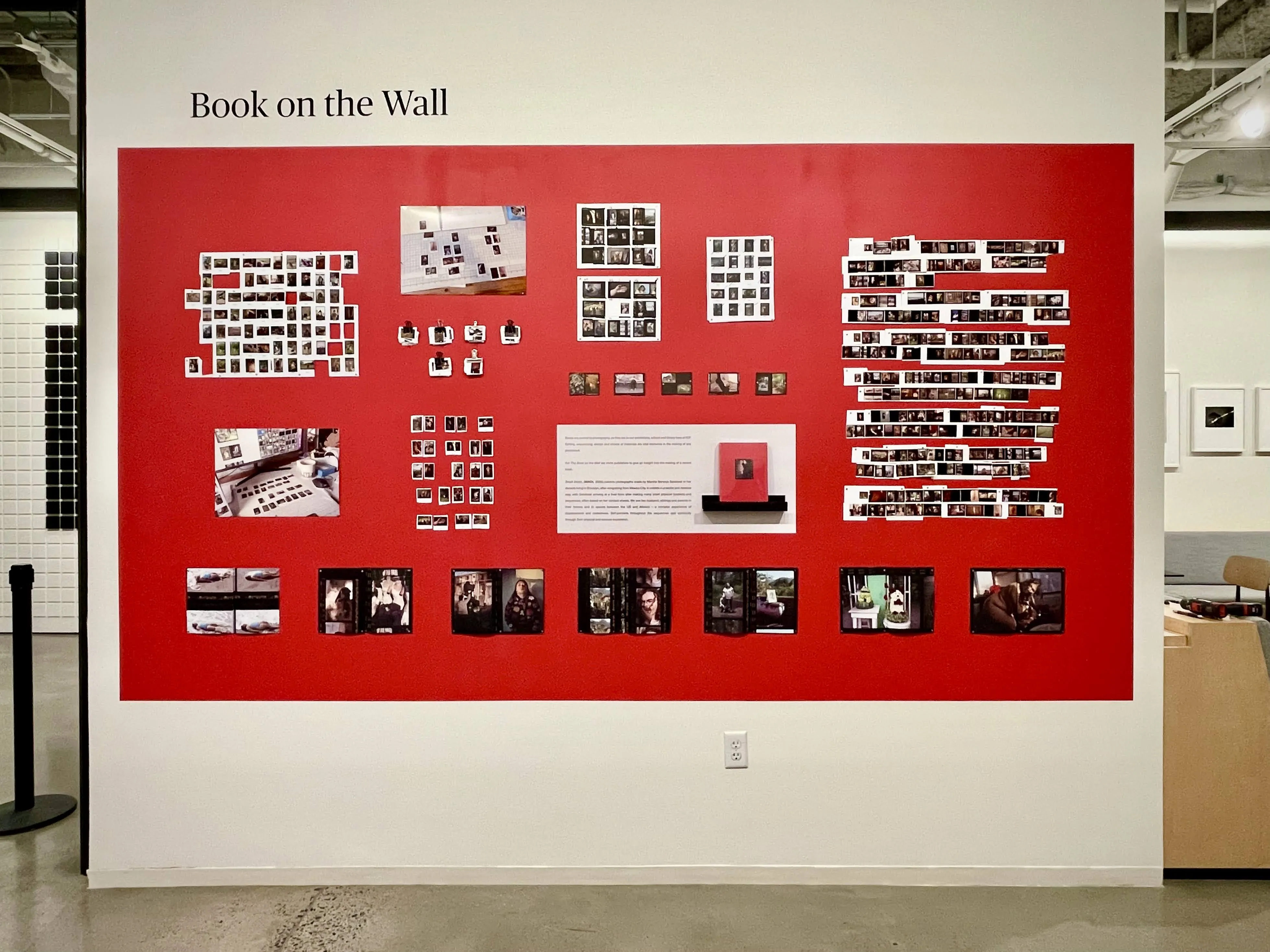
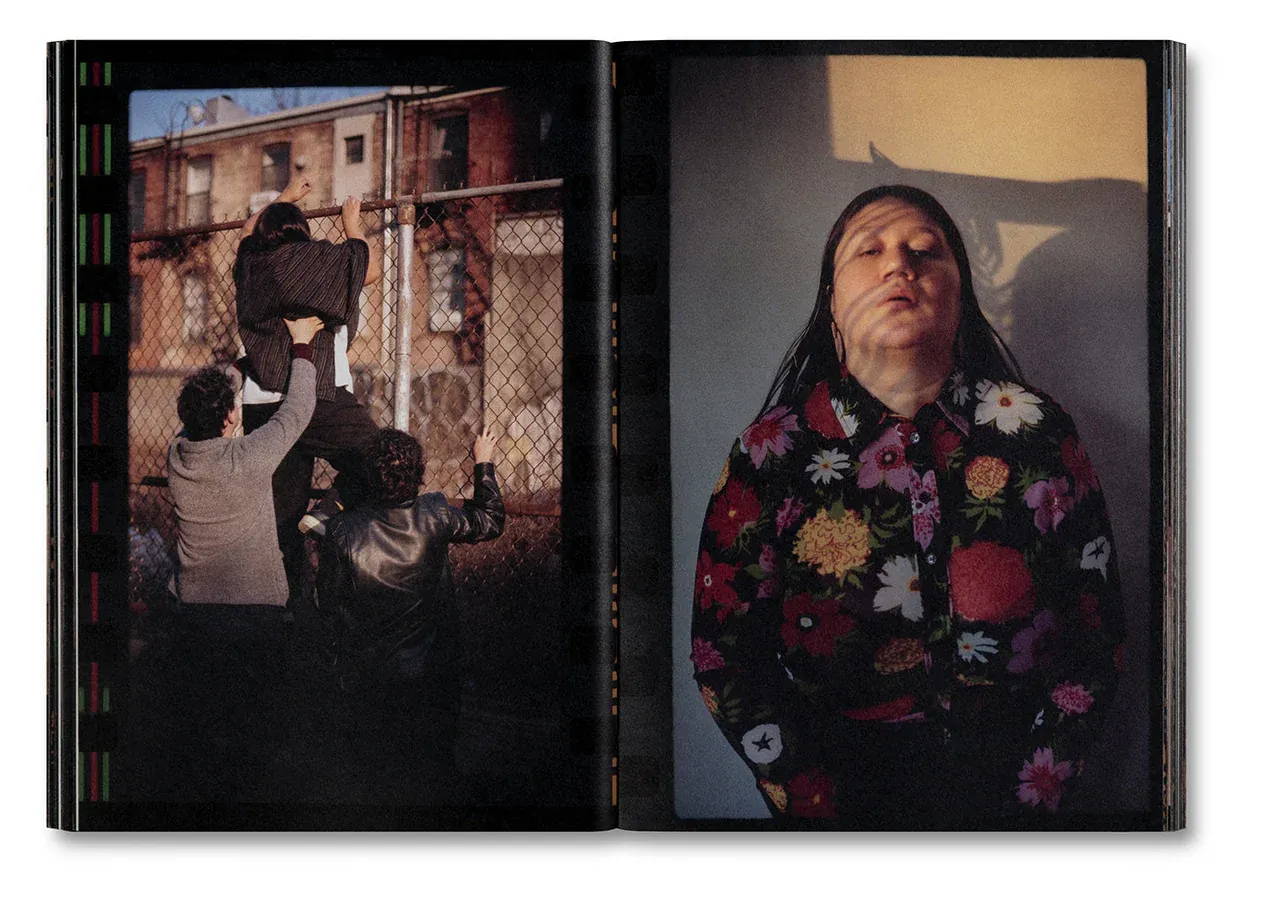
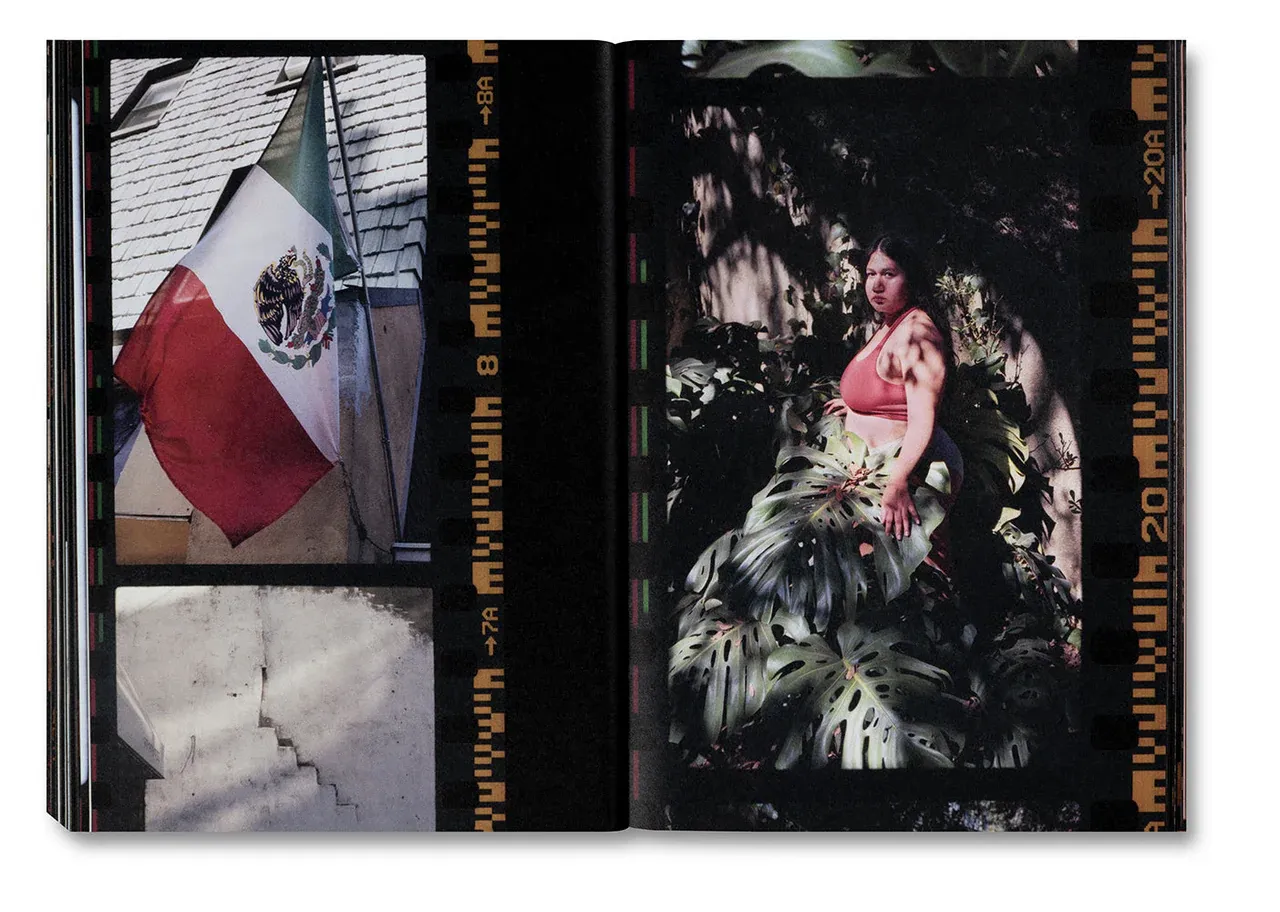
In Small Death, Martha Naranjo Sandoval reflects on the first decade of her life after emigrating from Mexico to the United States. Presented as part of ICP’s Book on the Wall series, the project makes visible not only the finished photobook, but also the dense, tactile editing process behind it. These include small physical booklets, notes, and sequences often based on physical contact sheets. Sandoval speaks with ICP about migration, identity, and why editing, shaped by her background in film, is central to her practice.
ICP: How did you begin working on Small Death?
Martha Naranjo Sandoval: Small Death is the work of my first ten years after moving to the United States. I moved here in 2014 for the ICP MFA, and when I arrived, I had a sense that working with analog photography might actually be easier here. I also wanted to photograph how my life was going to change.
Emigrating is a big step. I wanted to document that change on film, and I never really stopped. For the first five years, I didn’t show the work to anyone. But during that time, I realized how much potential there was in sequencing and editing images together to tell layered stories.
ICP: What were you thinking about during those early years of making the work?
Naranjo Sandoval: A lot of it has to do with disjointedness—what happens when you move as an adult. I was 25, fully formed in many ways, and I began to realize that so many things we think of as common sense are actually cultural.
When I came to the US, I suddenly became aware that I was Mexican and a Latina woman, things I had never really thought about while living in Mexico. One of the biggest questions I kept asking myself was: who did I leave behind? There was a version of myself I was expected to become, a trajectory that I cut off by leaving.
Those questions sit at the center of the book.
"When I came to the US, I suddenly became aware that I was Mexican and a Latina woman, things I had never really thought about while living in Mexico."
ICP: Editing plays a major role in your practice. How did that shape Small Death?
Naranjo Sandoval: My life is books. I work at the ICP library, I teach book classes, I have a publishing company, and I work at Dashwood Books. Editing is a huge part of my practice.
I also went to film school, and film was my first artistic language. The way I approach editing photobooks is very much informed by how you would edit a film. When I had the opportunity to do Book on the Wall, I wanted to show the often-isolating process of being surrounded by images, paper, and fragments. The book was designed and edited by me, and that was very important. I wanted people to get a sense of what it feels like to edit a book with me.
"I wanted people to get a sense of what it feels like to edit a book with me."
ICP: How does film editing translate into photobook editing for you?
Naranjo Sandoval: Narrative is one part of it. I thought in terms of a beginning, middle, and end, with a kind of crescendo and release. If you engage with the book closely, you can feel that rhythm.
There’s also montage. In film theory, placing two seemingly unrelated images next to each other generates a new idea. That kind of juxtaposing is essentially what the photobook does. And it’s not only about the two images you see at once. It could be images over various pages, creating motifs across the book.
There’s a lot of visual rhyming and repetition in the book. It’s closer to editing an experimental film or composing music than following a linear narrative.
ICP: Are there specific motifs that recur throughout the book?
Naranjo Sandoval: Yes! The theme of support is very present. There’s a lot of self-portraiture, images of me lying on the ground that come back repeatedly. There are portals, bodily openings, characters like my parents who reappear.
Some things are very subtle. For example, early in the book there’s an image of me in my parents’ backyard with a chained Mexican flag. Much later, there’s an American flag seen through blinds in my in-law's backyard. You don’t need to consciously catch it, but you can feel the echo.
The editing felt very musical with the recurring themes, rhythms, and echoes across the book.
ICP: How did translating the book onto a wall change the work?
Naranjo Sandoval: Every time I show this work, it becomes a learning experience. I don’t like showing the same thing repeatedly. I want each presentation to tease something new out of it.
Especially when you do autobiographical work like mine, you end up learning so much about your work and in the process, you end up learning so much about yourself.
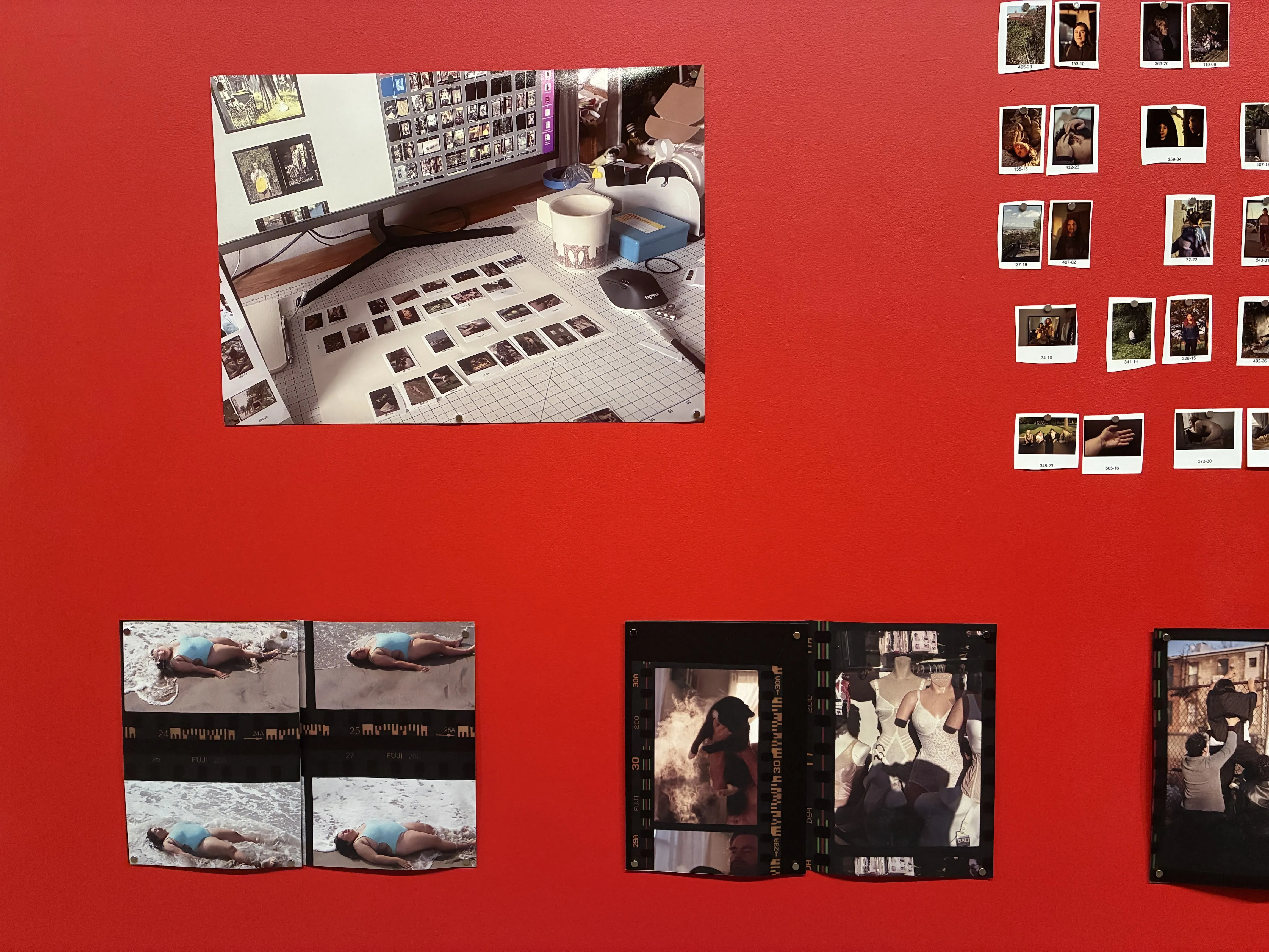
With Book on the Wall, I approached it as an educator. I wanted viewers to see that there’s more happening than just a linear progression of images. The wall reflects my actual editing process: I need to work physically, moving images around, seeing connections form in space.
And David Campany suggested having the wall red because it reflects the book's cover.
"When you do autobiographical work like mine, you end up learning so much about your work and in the process, you end up learning so much about yourself."
ICP: What materials are included in the installation?
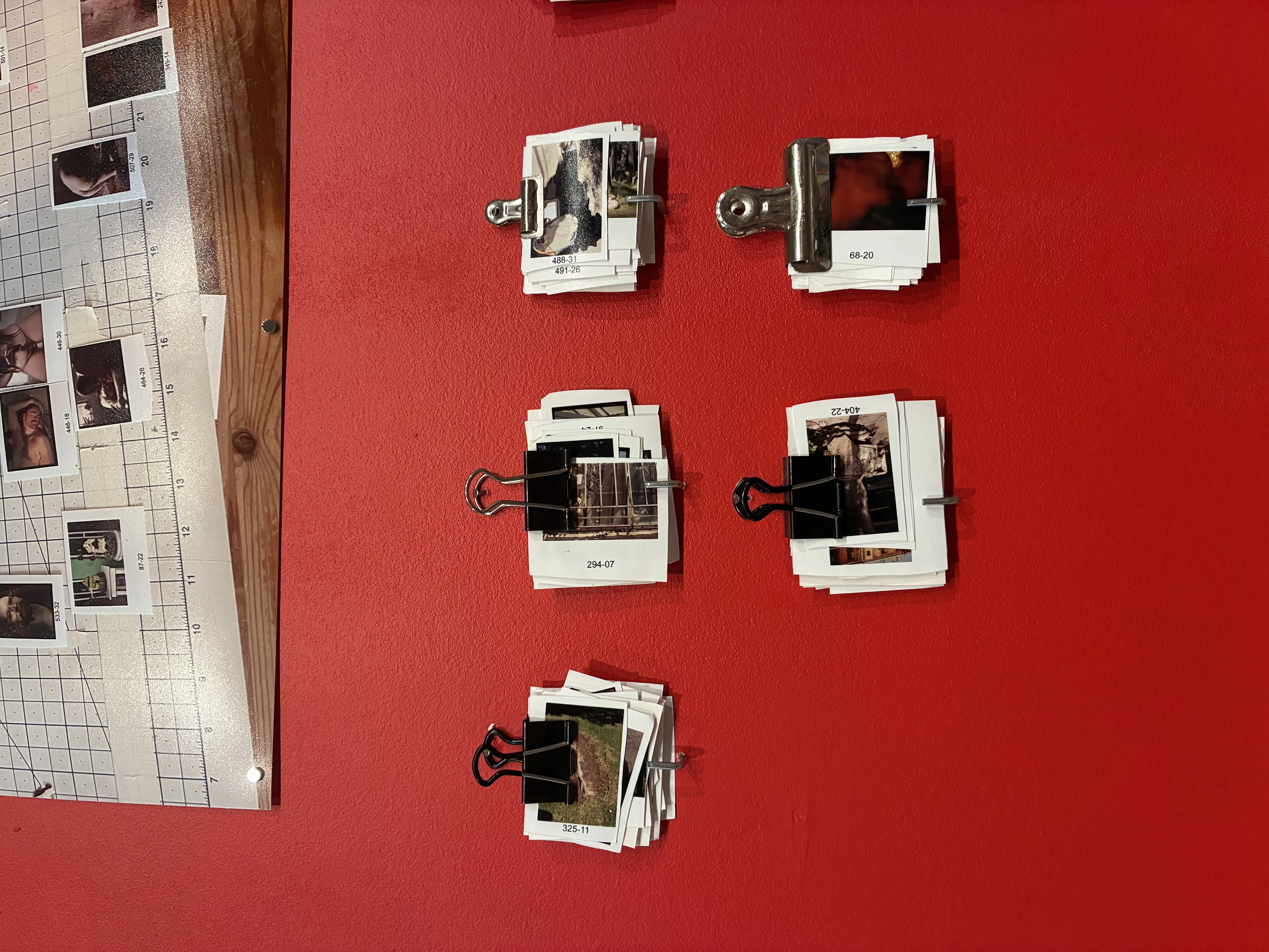
Naranjo Sandoval: When I started editing, I realized that standard 4×6 prints were too big—I couldn’t fit enough on a table to build a narrative. So, I began printing very small images. Those prints, along with the papers and materials I used while editing, are what you see on the wall. They’re the original tools I used to think through the book.
ICP: What are you thinking about next?
Naranjo Sandoval: Honestly, this book took everything out of me. Right now, I just want to rest a little. I’m excited to see what comes next, and I suspect it may be something completely different, just to cleanse my palate.
One thing that feels important to say: I could only have made this book at this moment in my life. Being a publisher, a teacher, working with books every day. All those experiences came together here.
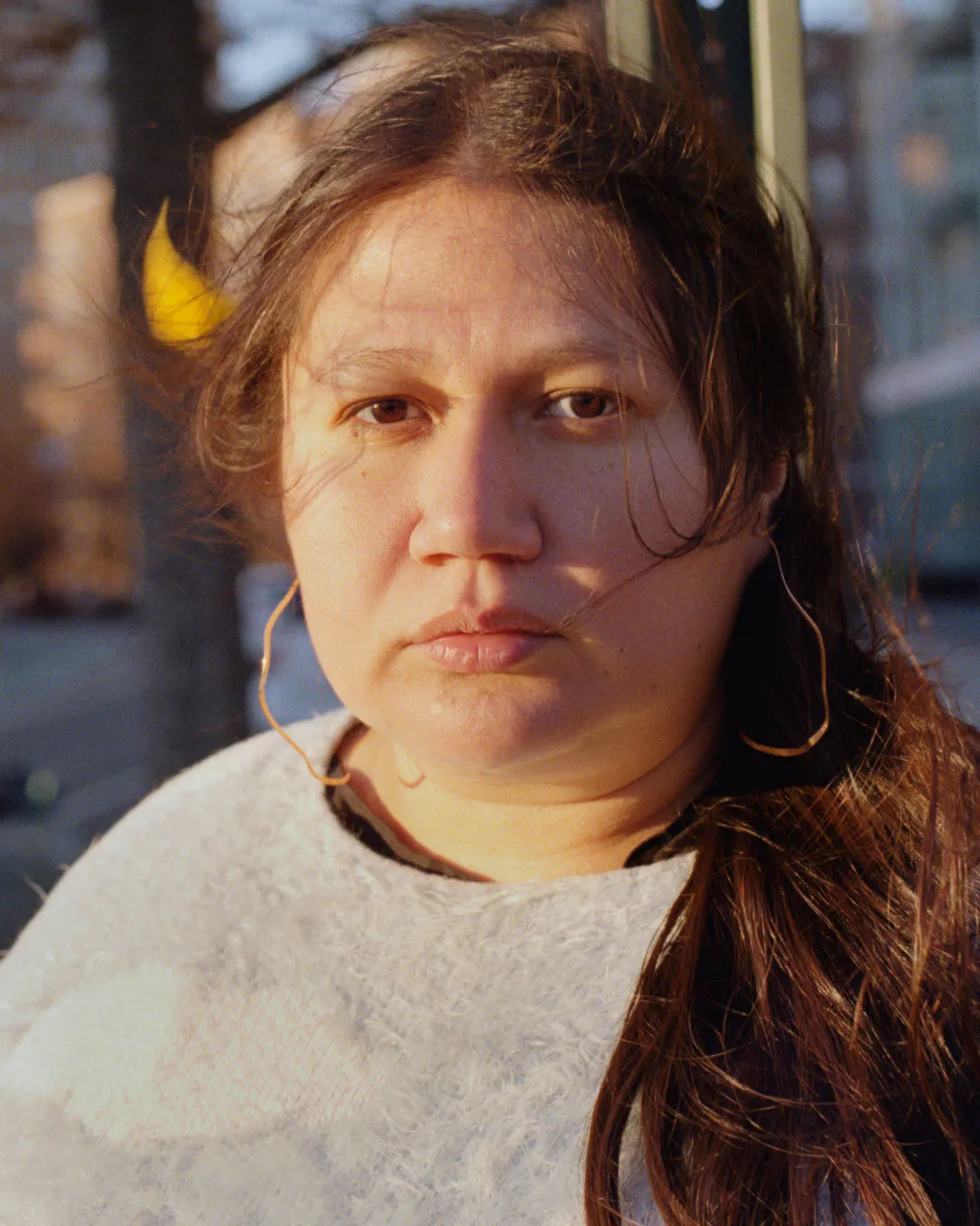
Martha Naranjo Sandoval is a photographer, editor, and educator from Mexico City based in Brooklyn. Her work explores migration, identity, and the photobook as a narrative and material form.