Cinthya Santos Briones (Documentary Practice ‘16) presents her solo exhibition Living in Sanctuary at Baxter St at the Camera Club of New York, on view June 17–August 12, 2026. An opening reception will be held June 17 from 6–8 PM.
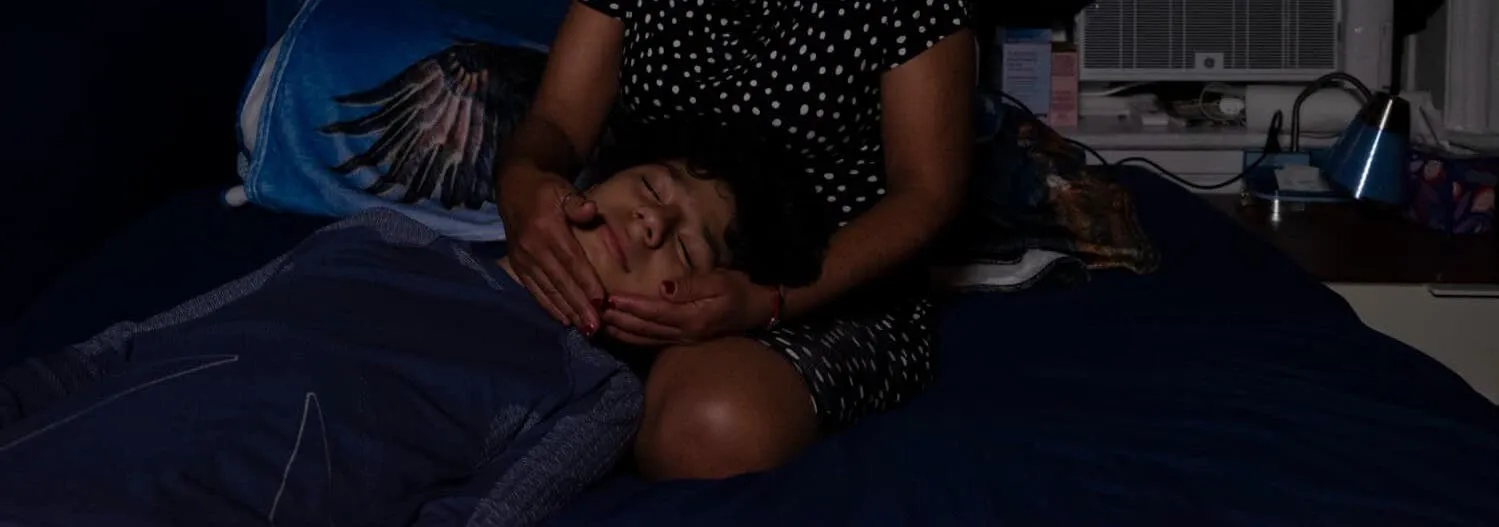
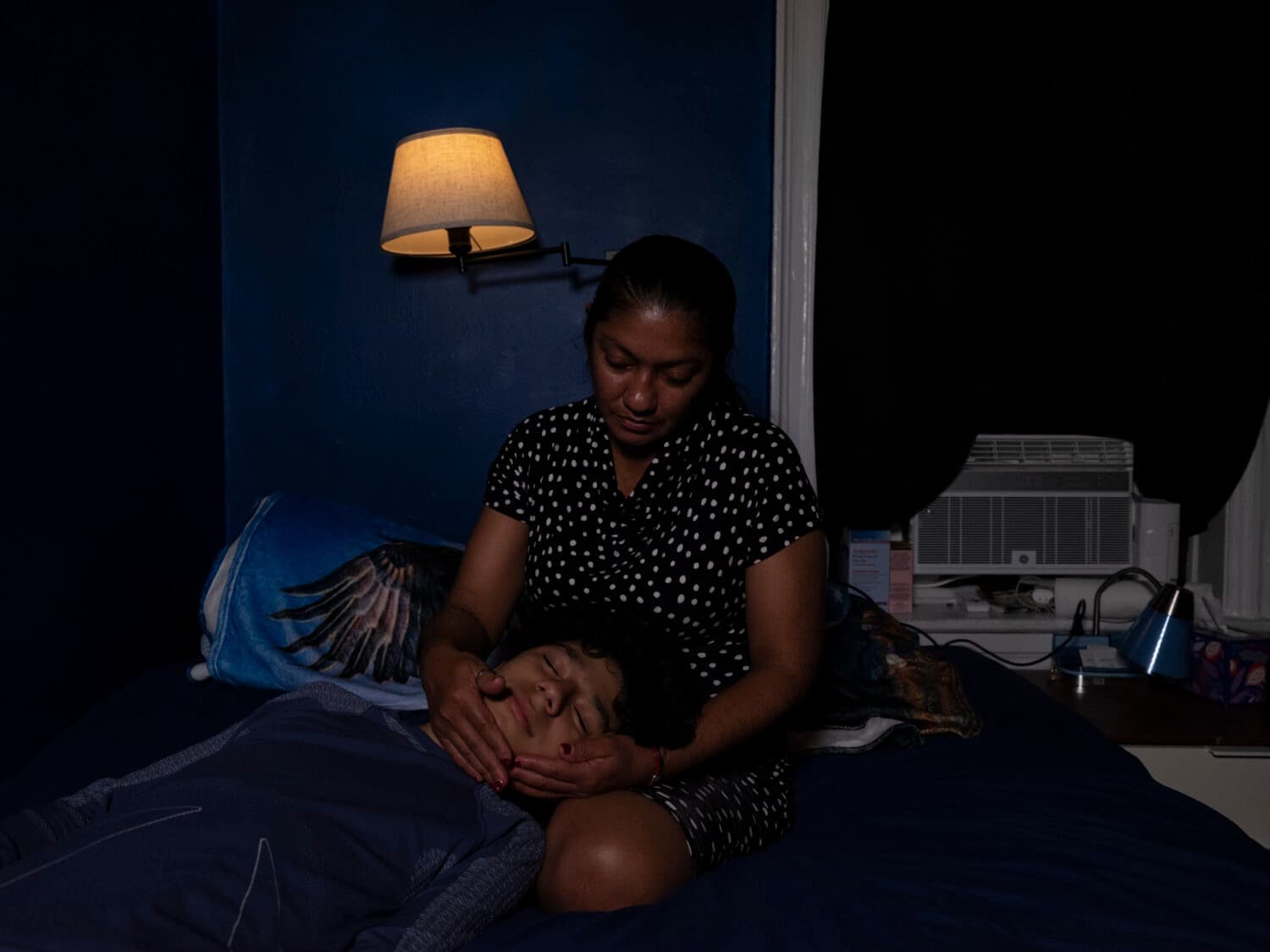
Living in Sanctuary presents documentary photographs tracing the lives of undocumented immigrants, asylum seekers, and refugees who have sought refuge within churches, temples, and faith communities. Begun in 2017 in response to escalating deportations and family separations, the work follows individuals navigating lives shaped by legal precarity and prolonged confinement—meals, chores, celebrations, and rest coexisting within spaces where beds and personal objects sit alongside altars and pews. The sacred architecture of these environments, reconfigured as living quarters, becomes a layered site where public, private, and sacred are continually renegotiated. For Cinthya, whose husband co-founded the New Sanctuary Movement in New York City, the subject is both professional and deeply personal.
This exhibition is part of a long-term visual research project that Cinthya has been developing since 2017, examining immigration and national security policies in the United States and their impact on the lives of migrants, families, and communities. Through photography, drawing, video, oral histories, historical archives, and participatory research, the project explores the intersections of migration, politics, religion, and community resistance, documenting how migrants and their allies have created networks of care, solidarity, and belonging in response to displacement, detention, and deportation.
As part of the exhibition, Cinthya will also host a series of political embroidery workshops that will activate the space, along with conversations featuring scholars specializing in migration studies, including Barbara Sostaita.
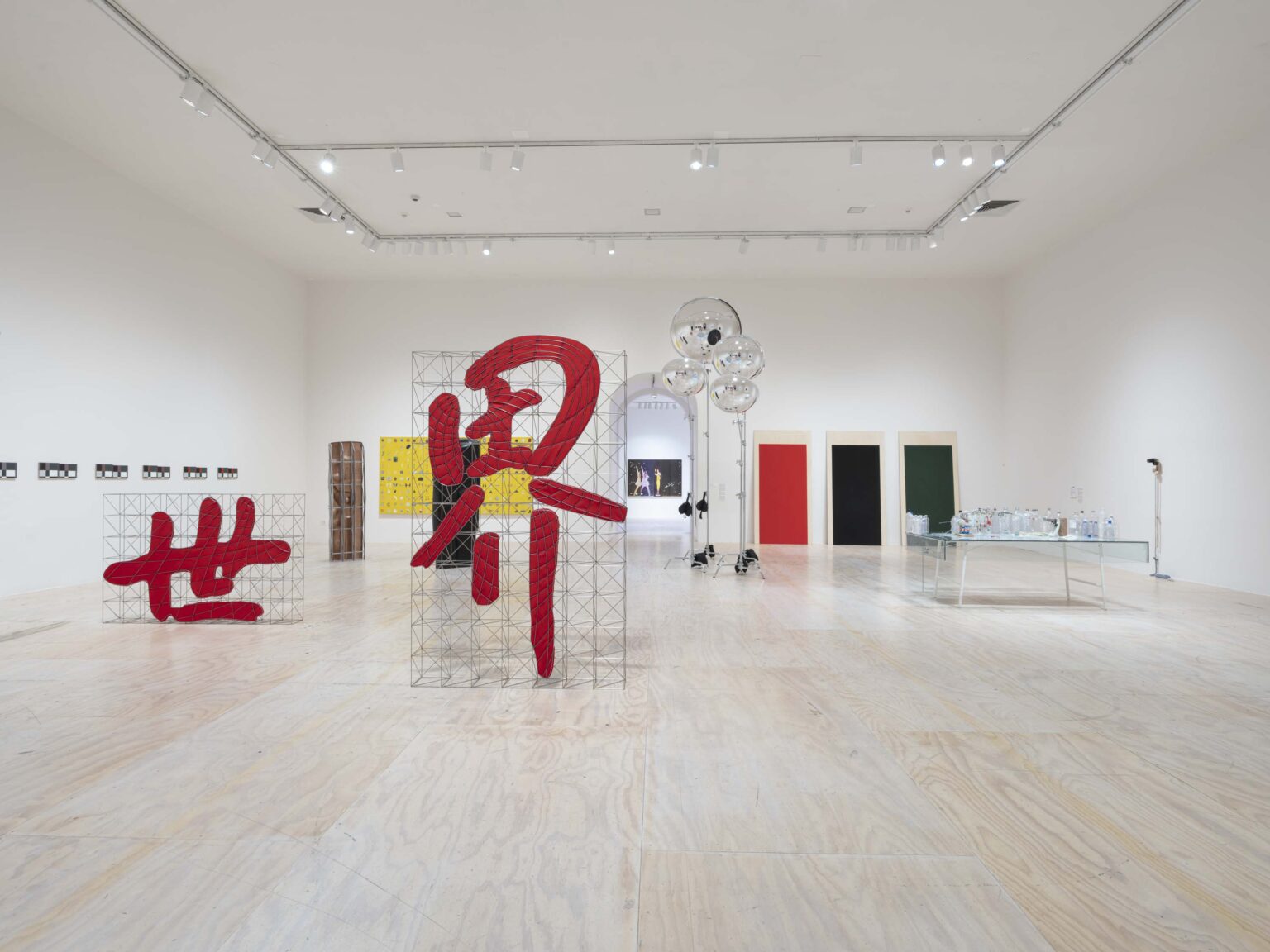
In addition, Cinthya is among the over 50 multidisciplinary artists selected for Greater New York 2026, a landmark exhibition at MOMA PS1 coinciding with the museum’s 50th anniversary. Spanning all levels of MoMA PS1’s historic school building, the exhibition brings into focus artists in the formative years of their careers, encompassing site-specific commissions, new productions, and performances, alongside important recent works that address today’s most urgent cultural concerns. Greater New York 2026 is on view from April 16 through August 17, 2026 at MoMA PS1, 22-25 Jackson Avenue, Queens, NY.
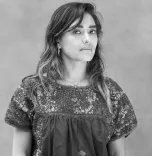
Cinthya Santos Briones is an interdisciplinary artist, visual researcher, and educator of Nahua Indigenous heritage based in New York. Her practice explores migration, memory, spirituality, and resistance from a decolonial feminist perspective, using photography, archival research, text, and community-based textile practices. With a background in ethnohistory and anthropology, she worked for a decade at Mexico’s National Institute of Anthropology and History (INAH), researching Indigenous migration, codices, textiles, and traditional medicine.
"I grew up in Mexico, in a family deeply shaped by migration. Witnessing the lives of my loved ones living undocumented in the United States led me to ask: how does forced migration transform bodies, affects, and ways of building community? What materialities travel with it—plants, objects, rituals, knowledges—as everyday technologies of survival?I work through situated documentary photography: a practice born from dialogue. The “civil contract of photography” (Azoulay) guides my ethics of looking: to photograph is a gesture of care, a political stance sustained through listening, reciprocity, and responsibility. I do not seek to capture stories, but to open a field of encounter where the image becomes a relationship.Through analog and digital photography, alternative processes (cyanotypes, lumen prints), collage, video, textiles, ethnography, oral history, and historical archives, I investigate the violence that embedded in racialized migrant communities: deportation, family separation, incarceration, disappearances, and deaths at the border. I work with fragments: non-linear narratives that emerge in layers, like sedimentations."—Cinthya Santos Briones
Image: Cinthya Santos Briones
Cinthya Santos Briones