

Each year, the Fujifilm GFX Challenge Grant Program selects photographers from around the world whose proposals show exceptional ambition and vision. Grantees receive funding, mentorship from Fujifilm's imaging specialists, and use of the GFX System, Fujifilm's large format digital camera platform, to realize a body of work on their own terms.
For this presentation at the International Center of Photography, ICP’s curatorial team has selected one project from each of the program's first five years:
- Rodrigo Illescas (2021)
- Katie Orlinsky (2022)
- Shina Peng (2023)
- Reinis Hofmanis (2024)
- Lee-Ann Olwage (2025)
Working across continents and subjects, these five photographers share a rare discipline: long-form projects conceived with rigor and made with care, where the precision of large format imaging is always in service of the story.
Presented by Fujifilm as part of FUJIKINA NYC 2026.
About the Projects
Lee-Ann Olwage, b. 1986, Durban, South Africa
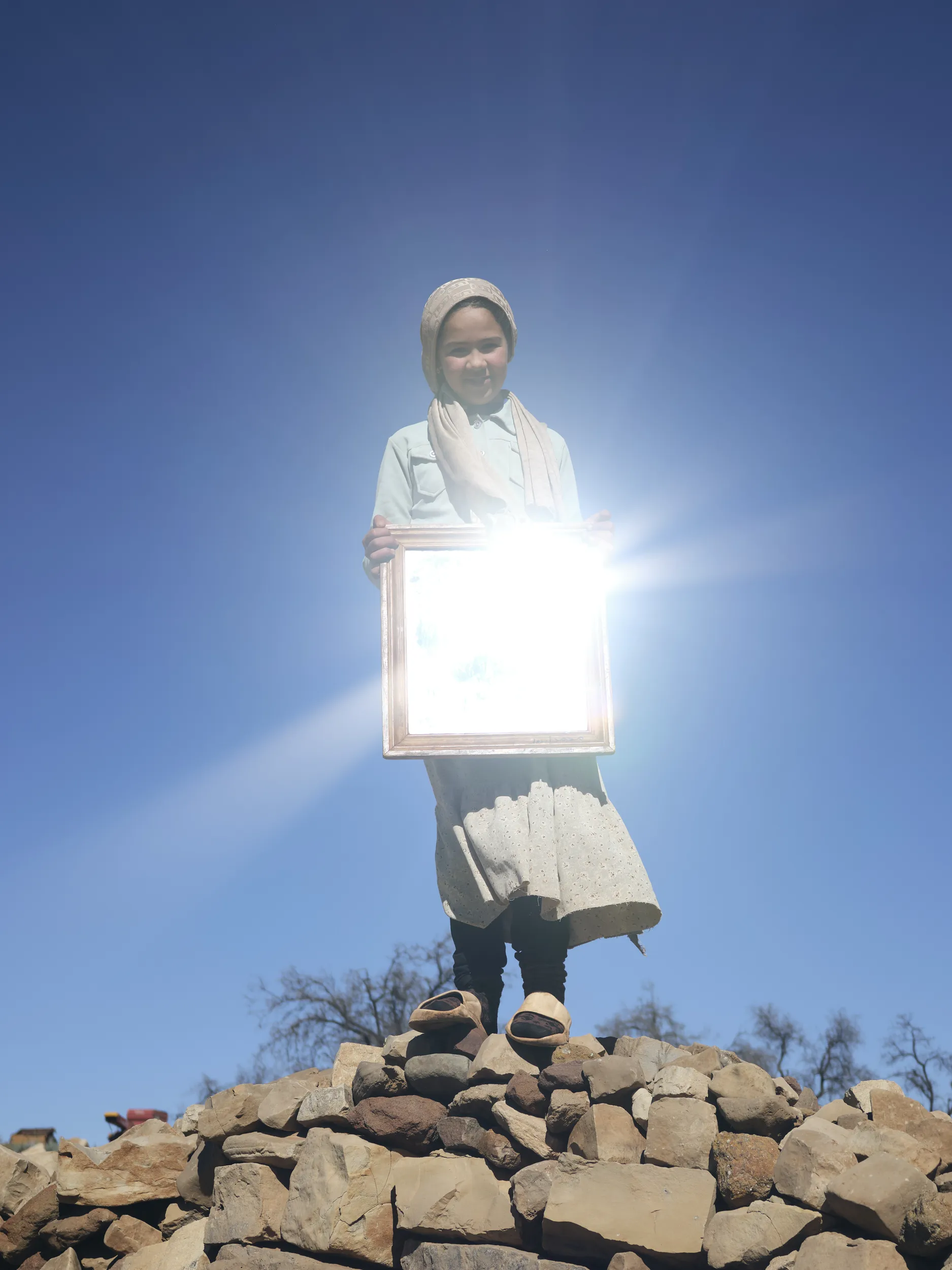
Weaving Stars and Palm Leaves
For generations, Amazigh women from the Atlas Mountains in Morocco have woven together personal narratives, collective histories, and domestic life into traditional rugs. The transmission of this ancestral art form from mother to daughter is like a coded feminine language that carries across generations. In the secrecy of the mountains, women weavers are the guardians of this tradition. Using natural fibers and dyes drawn from their environment, their work reflects their spiritual connection to nature and connection to the land and indigenous knowledge systems. As climate change brings growing challenges such as drought, floods, and water scarcity to Morocco, the weavers' knowledge of natural materials and dyes, their understanding of the land, and their connection to the rhythms of nature provide valuable insights into sustainable living. Preserving and supporting these traditions not only protects cultural heritage but also promotes environmental stewardship.
Katie Orlinsky, b. 1983, New York
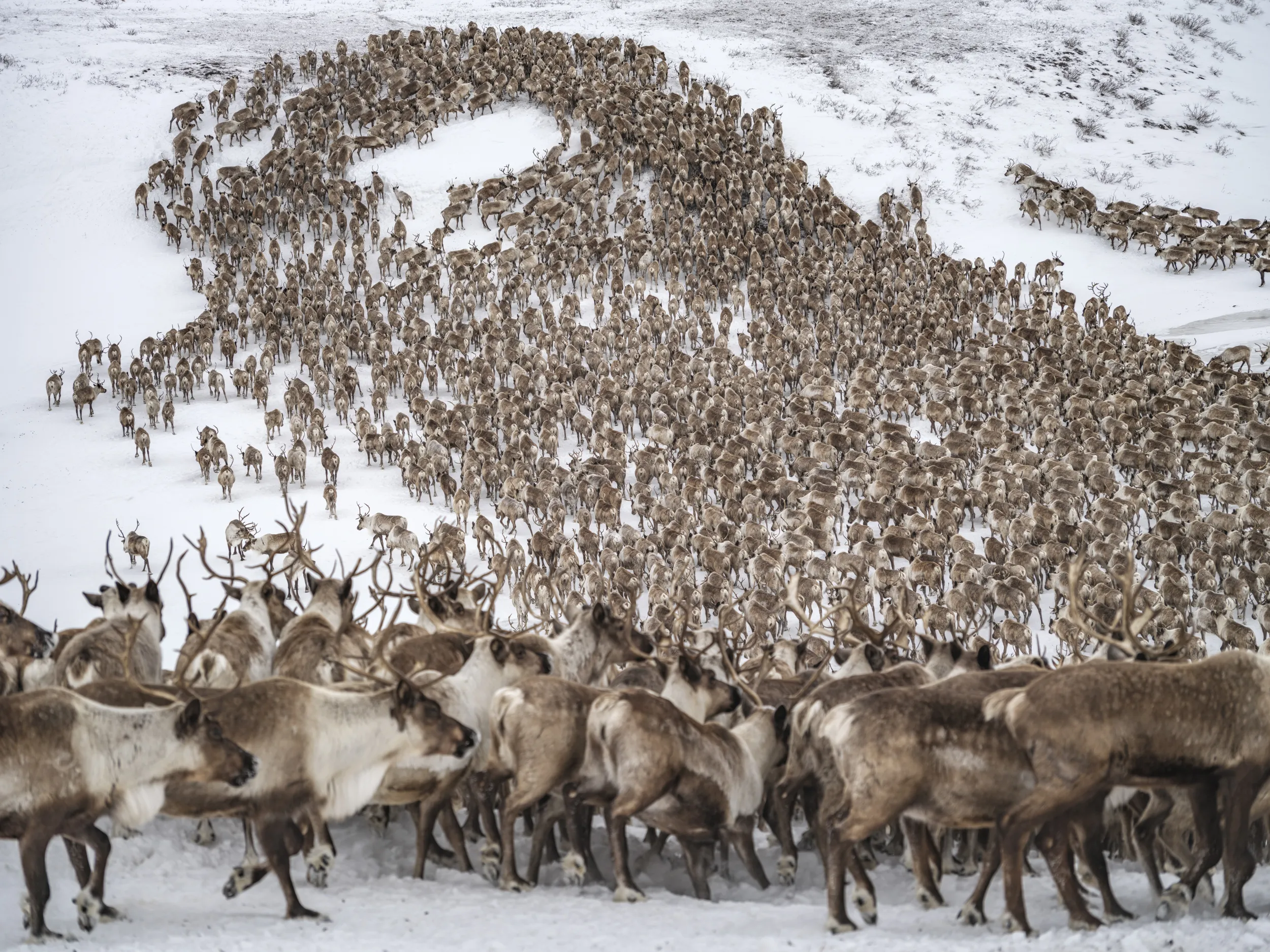
The Last Reindeer
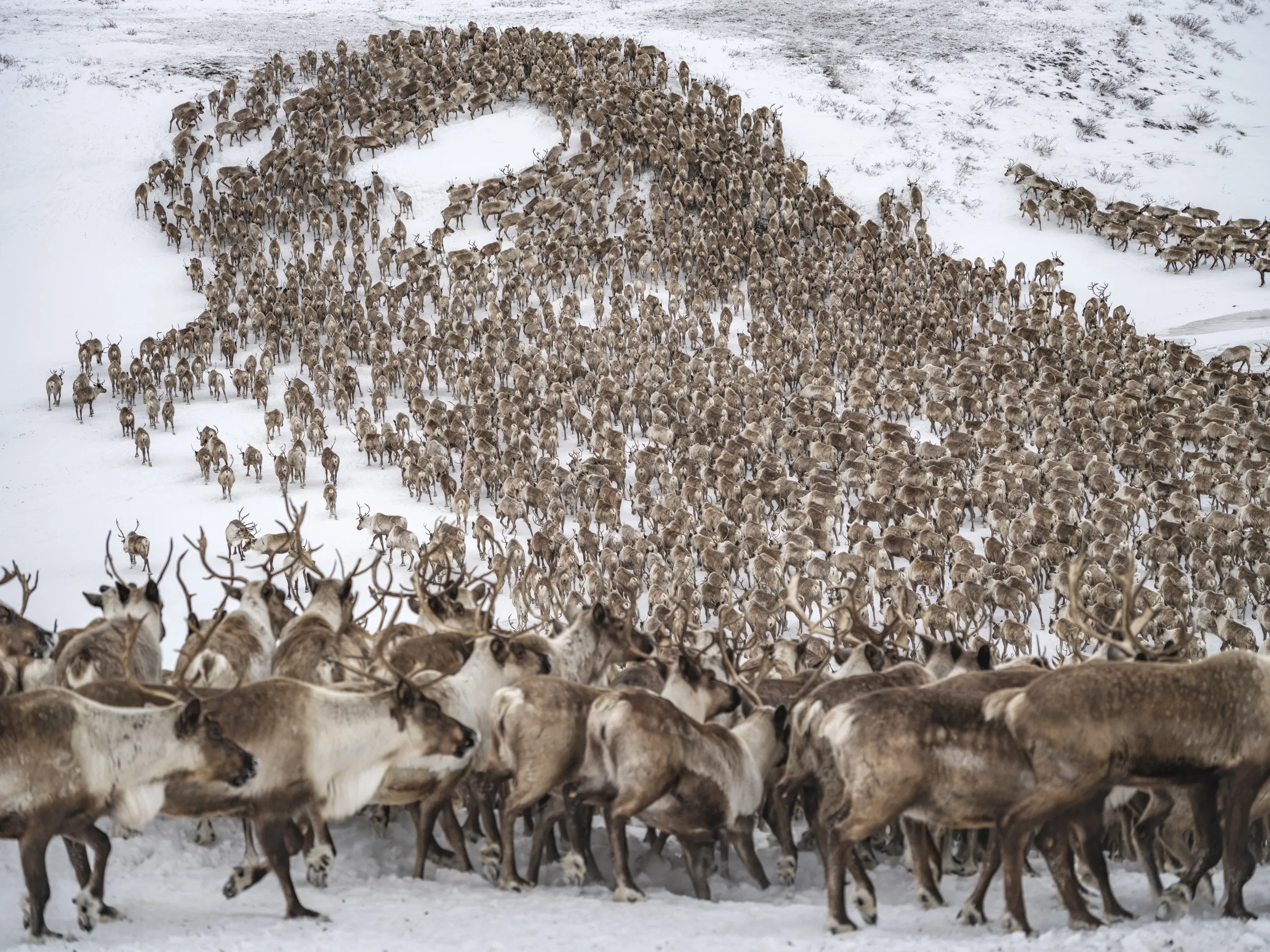
Arctic caribou populations have been in shocking decline, going from a total of 5 million animals twenty years ago to roughly 2 million today. This profound loss threatens to put even more pressure on the fragile, interconnected ecosystem of the Arctic, and the indigenous communities across Alaska and Canada that depend on caribou. Reindeer are the domesticated cousins of the endangered wild caribou, and Canada’s reindeer population has dwindled to less than 3,000 animals, putting them at the brink of extinction. But in August 2021, the Inuvialuit Settlement Region became the sole owners and managers of Canada’s last and only reindeer herd. In taking over care of this herd, the Inuvialuit people are working to reverse this dire population decline, support regional food sovereignty and heal their arctic ecosystem besieged by climate change. With the support of the GFX Challenge Grant I would like to help tell this inspiring story of resilience and revitalization at the top of the world.
Reinis Hofmanis, b. 1985, Latvia
Shared Horizon
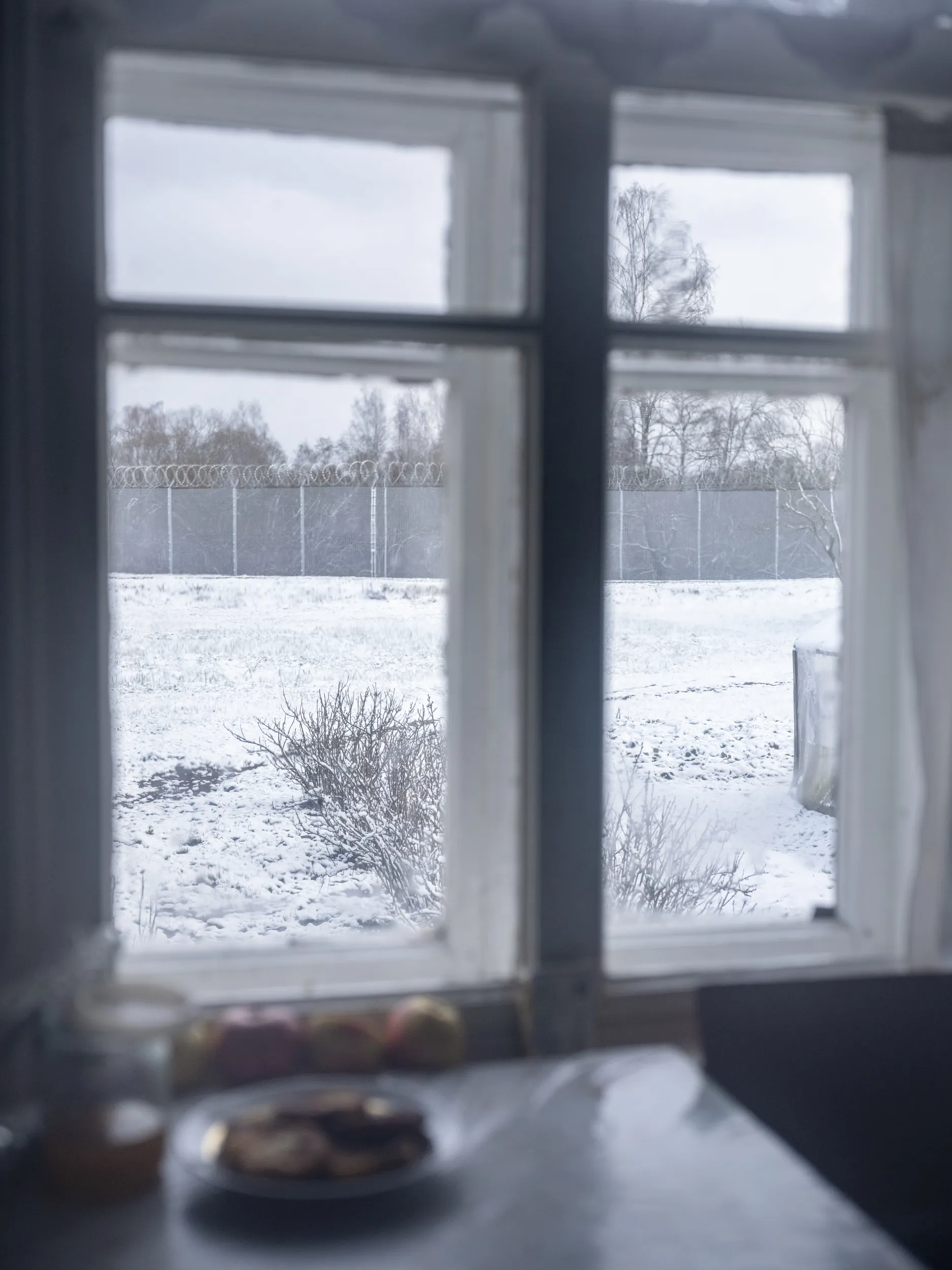
I grew up in Latviaʼs region Latgale, close to the border with Russia and Belarus. As children, we set out on bicycles into places unknown, driven by curiosity and adventure. With this project, I wanted to return to that feeling—of getting lost, of crossing into uncertain spaces, of seeing the borderland not as a fixed line but as a shifting territory. The war in Ukraine and the renewed tension between Russia and the West have drawn attention to Latviaʼs eastern border. Once loosely defined, it is now fortified with fences, watchtowers, and patrols, making the abstract line tangible. These measures, while addressing security, also reshape ecological systems and everyday life. The borderland is layered: physical infrastructure on one level, and an invisible terrain of memories and personal ties on another. For many, the line still cuts through family histories. This project approaches the border as a dynamic space where geopolitics, ecology, and human experience intersect.
Shina Peng, b. 1998, Kobe City, Japan
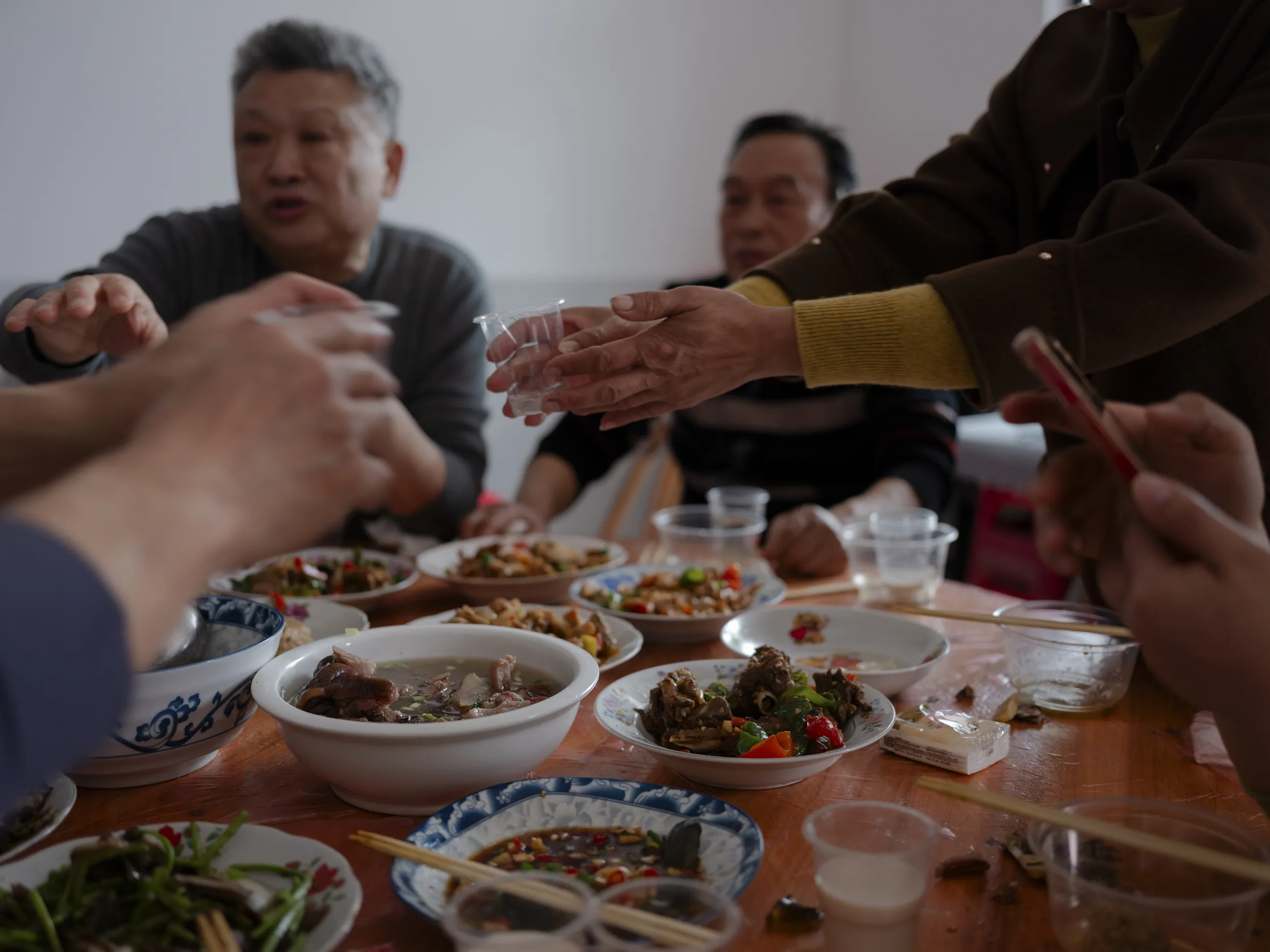
Furusato
I wanted 爺爺 to promise we would go visit Hunan together one day.
I remember telling him on that same day that for my graduation trip he and I would go to Hunan. He laughed in reply.
He never directly promised we would go -- probably because he knew he didn’t have much time left. I had selfishly asked him because I thought that if he had something to look forward to, he would be there for all the milestones in my life.
A few months later his dementia got worse, and he passed away.
For as long as I can remember, my father would tell me my grandfather’s story. My grandfather ran away to Taiwan during the Chinese Civil War. He lost contact with his mother, and both did not know if the other survived. Every year, my great grandmother would climb up Da Yun Shan to a Dao temple to pray for my grandfather’s wellbeing. It took her four days because of her bound feet. In 1969 my grandfather found a family member who could him send money home. This was how he told his mother he was still alive. He returned to his hometown Linxiang, Hunan 40 years later in 1988. By then my great grandmother had passed away.
This project is about my family. There are close ties to politics in this story, but above all these places and experiences are deeply connected to my history. It is my attempt to understand where I come from.
I grew up rarely acknowledging my roots in China. It was only until my grandfather’s death that I realized I was rejecting an identity he had passed down to me. This is his story which has now become interwoven into my own. It is my way of connecting my great grandmother, my grandfather, my father, and me to the present day.
It is my way of keeping them alive.
Rodrigo Illescas, b. 1983, Bahia Blanca, Buenos Aires
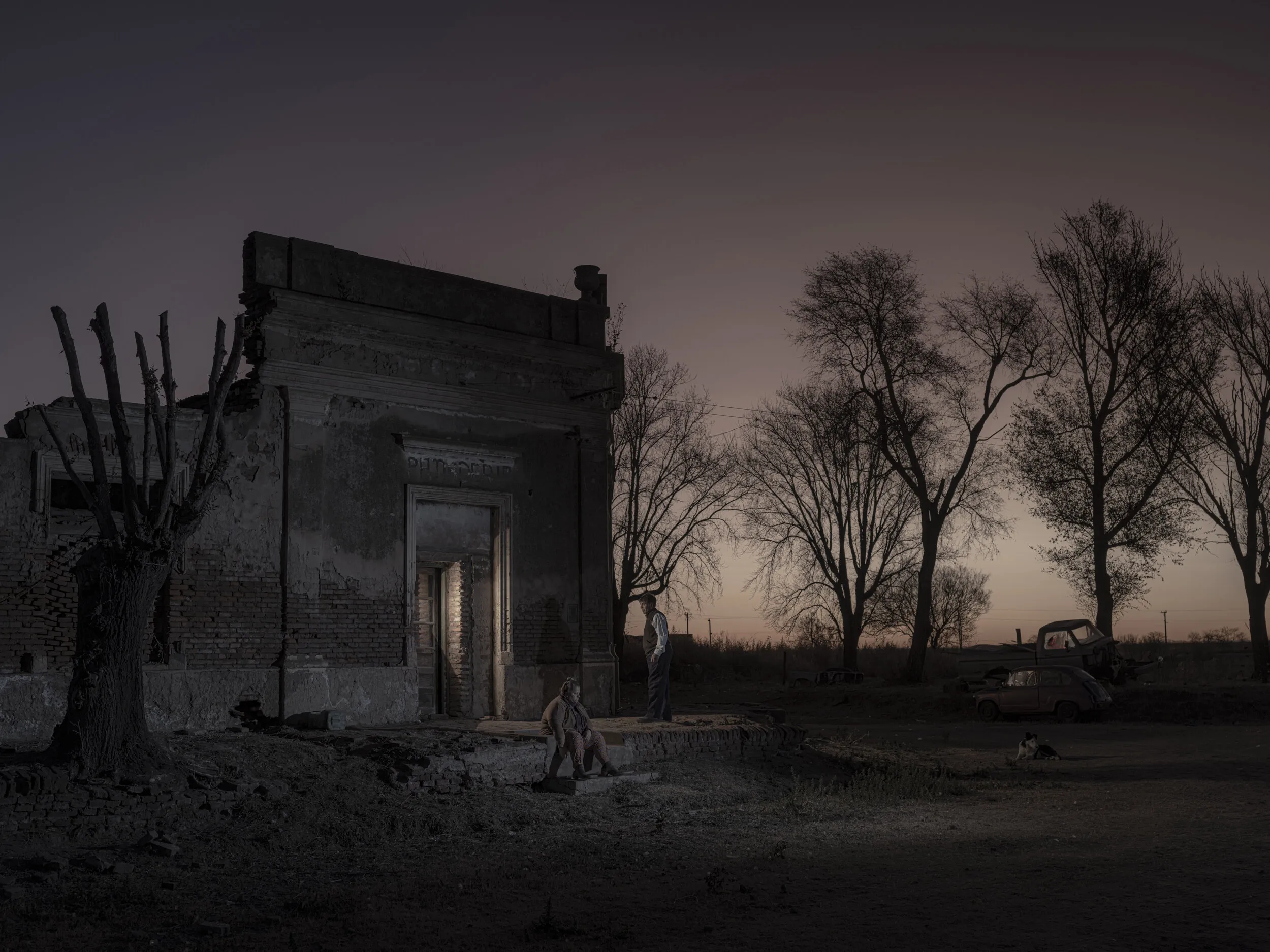
The Cathedrals of Nostalgia
As cities grow they also leave behind—in the midst of desolation—pieces of their selves. That forgetfulness, that neglect is also part of their history. In spite of these side effects, as society we keep on turning our backs on this situation. In Argentina, a single decision led to entire towns being thrown into oblivion. This decision had to do with the lack of financing and the subsequent closure of some train lines that connected the cities with the surrounding towns. The remains of this measure are entire towns in which their few remaining inhabitants fight for their memory, for their history as they embrace to an impossible hope. Each one of these inhabitants are like cathedrals of nostalgia that are erected in the middle of loneliness. They are immersed in the silence of their own fragments. Inhabiting incomplete, suppressed stories. But they are still there.
Special Thanks
Presented by Fujifilm as part of FUJIKINA NYC 2026.